Historias de
metal y visión
Cada semana, una historia sobre ingeniería y las máquinas que el tiempo dejó atrás.
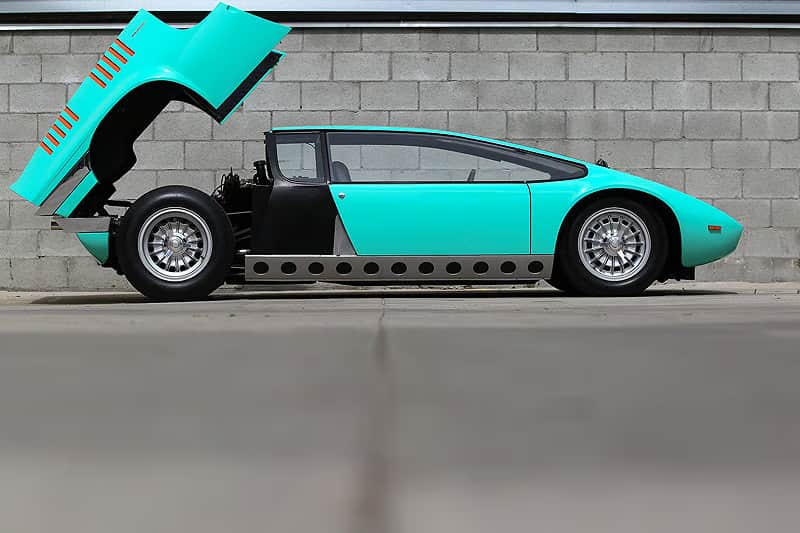
The car a 28-year-old designer built in 40 days on a Le Mans chassis — and that was then lost in the Atlantic
In February 1968, Giorgetto Giugiaro founded Italdesign. He had forty days until the Turin Motor Show. He needed a car that would demonstrate to the world that his studio could do what no one else could. He bought a competition chassis from a financially struggling engineer, painted the result acid green, and permanently changed how mid-engine sports cars are designed.
El coche que un diseñador de 28 años construyó en 40 días sobre un chasis de Le Mans — y que luego se perdió en el Atlántico
En febrero de 1968, Giorgetto Giugiaro fundó Italdesign. Tenía cuarenta días hasta el Salón de Turín. Necesitaba un coche que demostrara al mundo que su estudio podía hacer lo que ningún otro hacía. Compró un chasis de competición a un ingeniero en bancarrota, pintó el resultado en verde ácido, y cambió para siempre cómo se diseñan los deportivos de motor central.
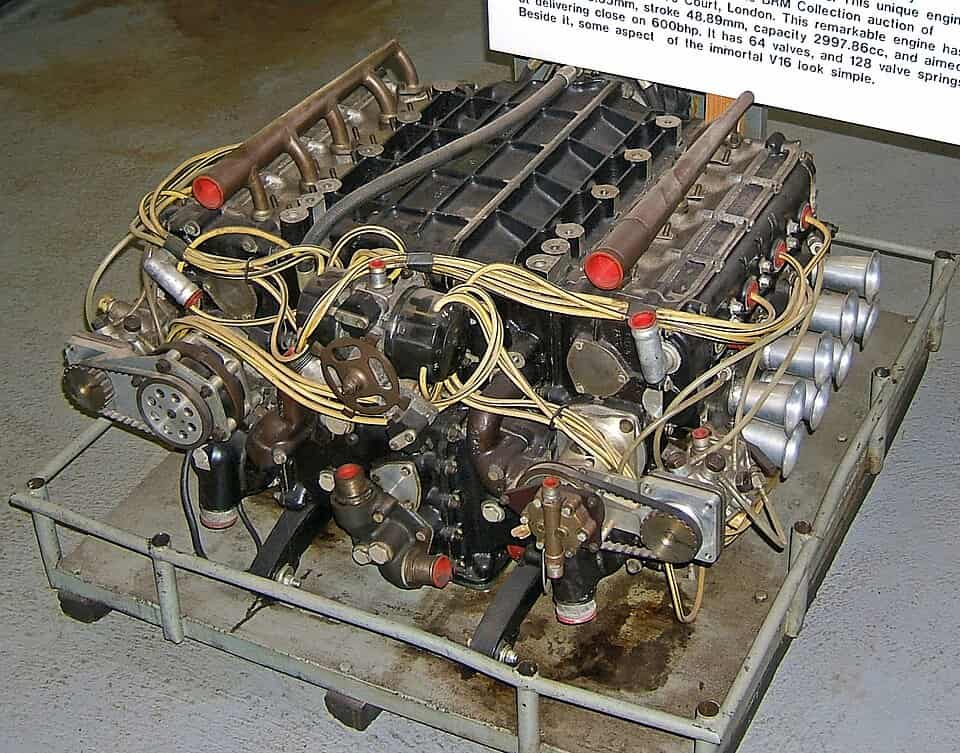
The engine BRM built by stacking two engines — BRM H16
In 1966, British engineers at BRM faced a regulation change and made the most ambitious decision possible: instead of designing a new engine, they took two of their own and stacked one on top of the other.
El motor que BRM construyó apilando dos motores — BRM H16
En 1966, los ingenieros británicos de BRM se enfrentaron a un cambio de reglamento y tomaron la decisión más ambiciosa posible: en lugar de diseñar un motor nuevo, cogieron dos de los suyos y los pegaron uno encima del otro.
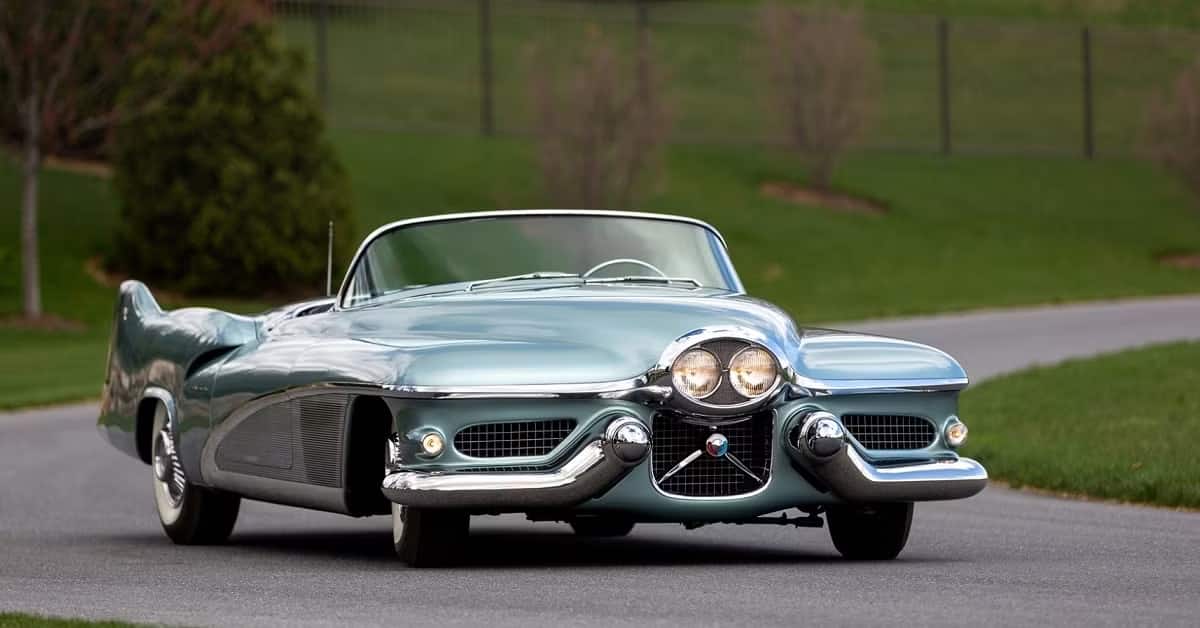
The concept car Harley Earl used as his daily driver — and that invented the tail fin
In 1951, GM's chief of design built the car of his dreams. It was as long as he was tall — nearly two metres. It had a rain sensor that raised the roof automatically, hydraulic jacks integrated into the chassis, an engine that ran on methanol or petrol, and a panoramic windscreen. It was a concept car. Harley Earl used it as his personal car for two years and 50,000 miles.
El concept car que Harley Earl usó como coche diario — y que inventó las aletas traseras
En 1951, el jefe de diseño de GM construyó el coche de sus sueños. Era tan largo como él era alto — casi dos metros. Tenía sensor de lluvia que subía el techo solo, gatos hidráulicos integrados en el chasis, motor que funcionaba con metanol o gasolina, y parabrisas panorámico. Era un concepto. Harley Earl lo usó como coche personal durante dos años y 50.000 millas.
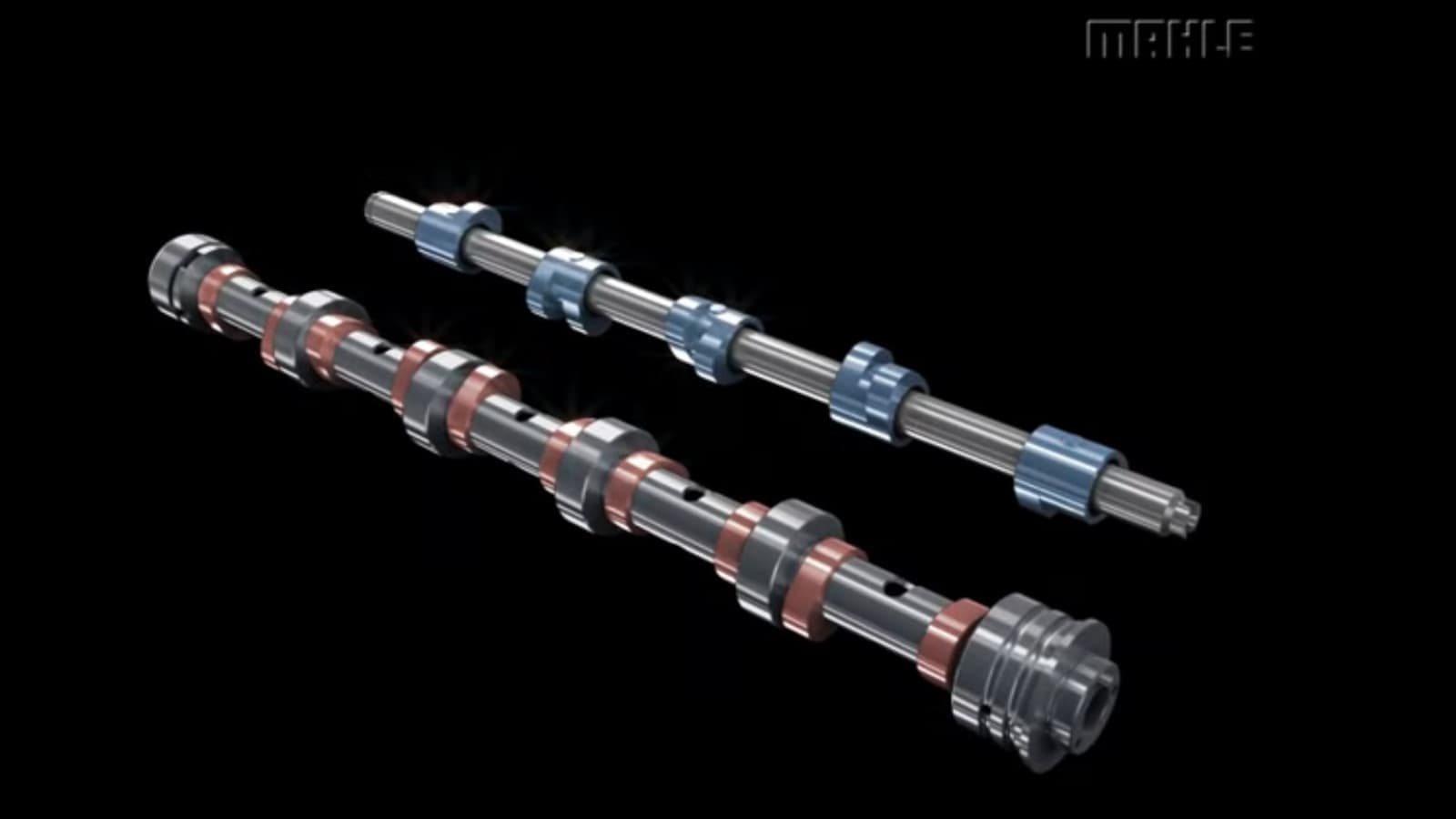
The Dodge Viper with a camshaft inside another camshaft — and nobody else has repeated it
In 2008, Chrysler solved a problem nobody believed could be solved in a single-camshaft OHV engine: putting independent variable valve timing on both intake and exhaust valves. Without adding a second camshaft. Without changing the engine's height. By fitting a solid camshaft inside a hollow one.
El Dodge Viper con un árbol de levas dentro de otro árbol de levas — y nadie más lo ha repetido
En 2008, Chrysler resolvió un problema que nadie creía que pudiera resolverse en un motor OHV de un solo árbol de levas: poner distribución variable independiente en las válvulas de admisión y escape. Sin añadir un segundo árbol. Sin cambiar la altura del motor. Metiendo un árbol de levas sólido dentro de uno hueco.
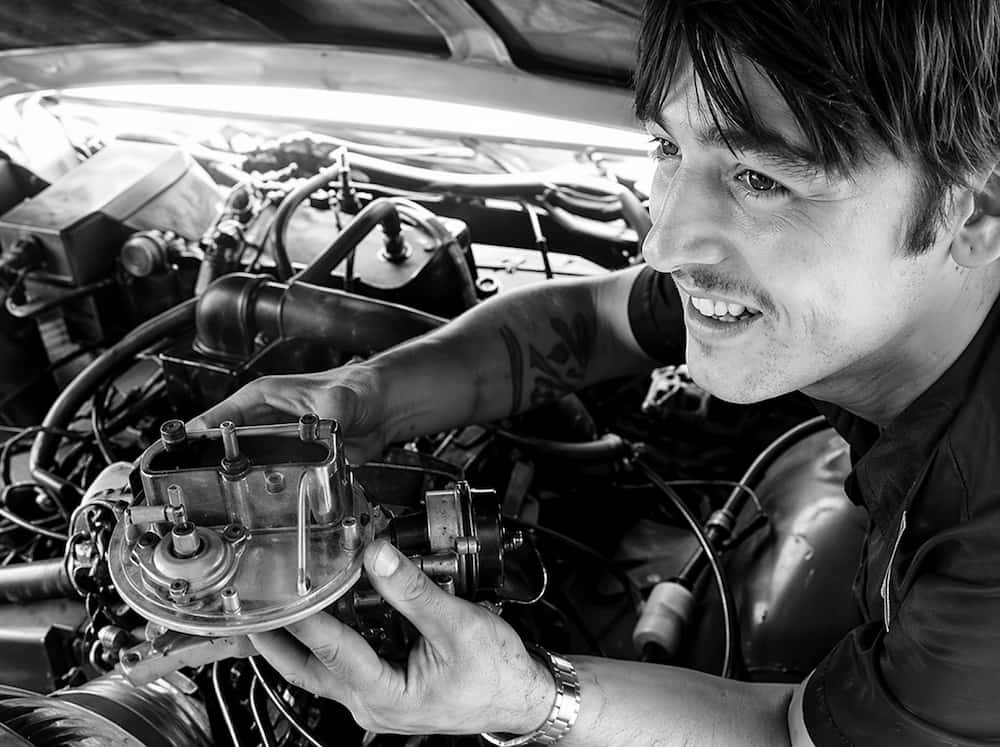
El mecánico de El Paso que dijo haber conseguido 100 millas por galón — y murió a los 26 años
En 1977, un joven autodidacta de Texas convenció a ingenieros de la Universidad de Texas y a periodistas de varios diarios de que había construido un sistema que hacía rendir la gasolina diez veces más. Tenía una patente. Tenía inversores. Tenía un coche que cruzó el desierto con dos galones. Y cuatro años después estaba muerto.
The El Paso mechanic who claimed to get 100 miles per gallon — and died at 26
In 1977, a young self-taught Texan convinced engineers from the University of Texas and journalists from several newspapers that he had built a system that made petrol go ten times further. He had a patent. He had investors. He had a car that crossed the desert on two gallons. And four years later he was dead.
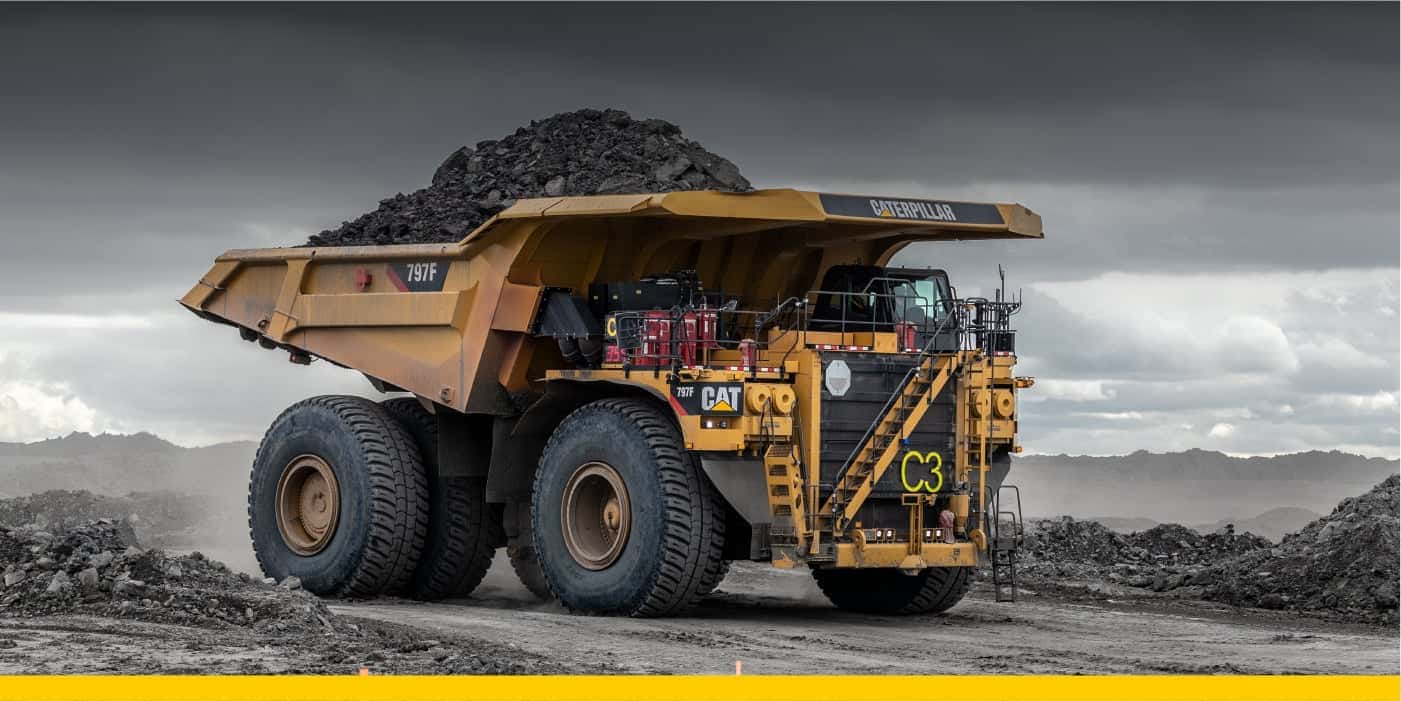
El camión que mueve 363 toneladas con un motor de 20 cilindros y 175 litros — Caterpillar 797F
En 1998, Caterpillar decidió no hacer su mayor camión minero con tracción eléctrica como todos sus rivales. Eligió transmisión mecánica pura, diseñó un motor completamente nuevo de 20 cilindros y 175 litros, y construyó el camión más grande con tracción mecánica del mundo. El primero que fabricaron sigue funcionando en las arenas petrolíferas de Canadá — con más de 130.000 horas de servicio.
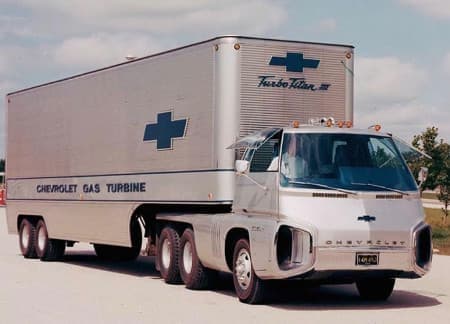
El camión de turbina que GM presentó como respuesta al Ford Big Red — y luego destruyó sin decírselo a nadie
En 1965, GM presentó en la Feria Mundial de Nueva York el camión más futurista jamás construido hasta esa fecha. Lo diseñó Bill Mitchell — el mismo que hizo el Corvette Stingray. Lo propulsaba una turbina de avión rebautizada 'Whirlfire Turbo Power'. Cruzó Estados Unidos costa a costa varias veces. Y luego desapareció sin dejar rastro.
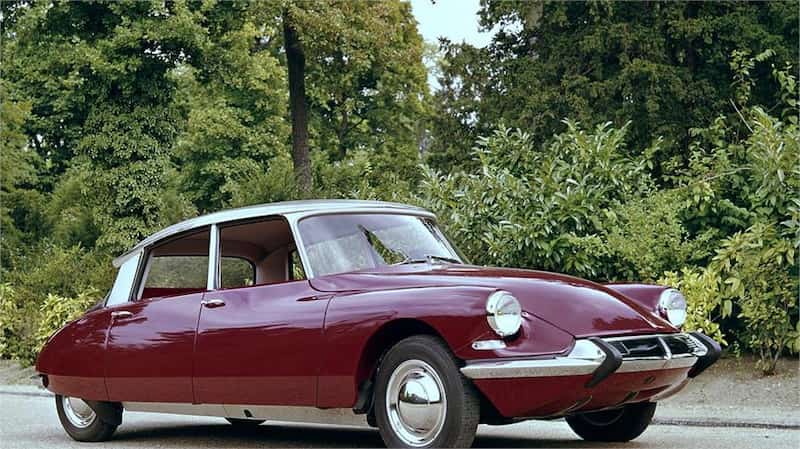
The Citroën that received 12,000 orders on its first day — and saved De Gaulle from an assassination attempt
On 5 October 1955, Citroën presented in Paris the most advanced automobile of the twentieth century. It had suspension using nitrogen and oil instead of springs. Disc brakes actuated by a hydraulic pump at 165 bar. Power steering. No clutch pedal. And a fibreglass roof. It was a production saloon. In 1955.
El Citroën que recibió 12.000 pedidos el primer día — y salvó a De Gaulle de un atentado
El 5 de octubre de 1955, Citroën presentó en París el automóvil más avanzado del siglo XX. Tenía suspensión que usaba nitrógeno y aceite en lugar de muelles. Frenos de disco accionados por una bomba hidráulica a 165 bares. Dirección asistida. Sin pedal de embrague. Y un techo de fibra de vidrio. Era un berlina de serie. En 1955.
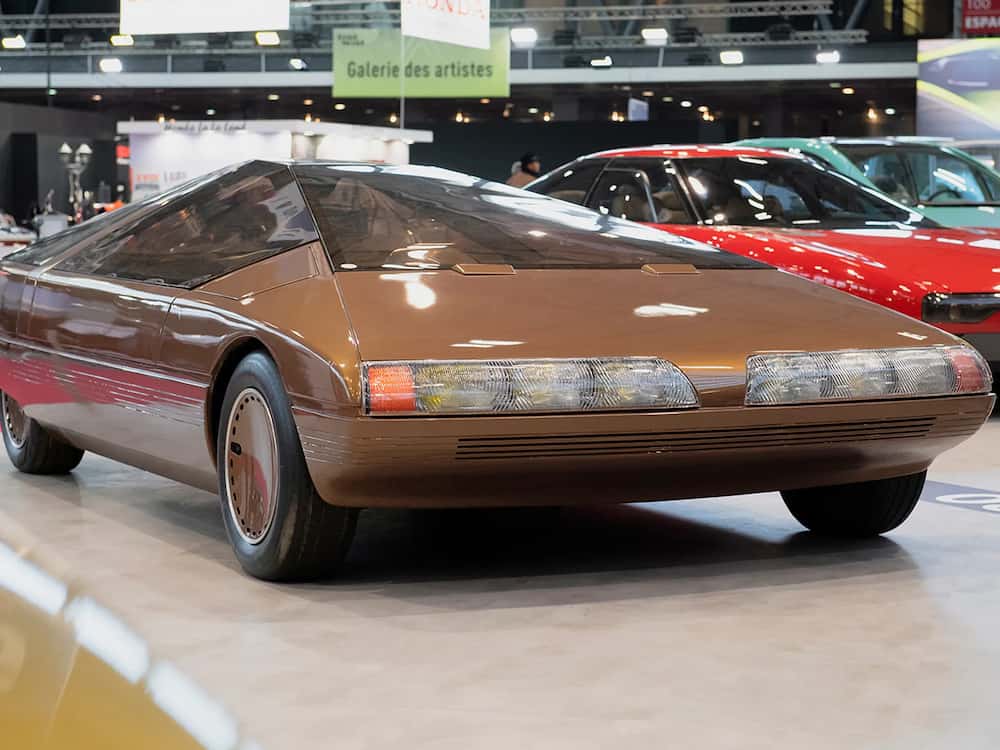
El Citroën que parecía una pirámide — y adelantó al McLaren F1 por doce años
En 1980, Citroën no tenía ningún coche nuevo que mostrar en el Salón de París. Así que su nuevo jefe de diseño dibujó una pirámide de cuatro ruedas en pocas semanas. El conductor iba en el centro. Las pantallas estaban en las puertas.
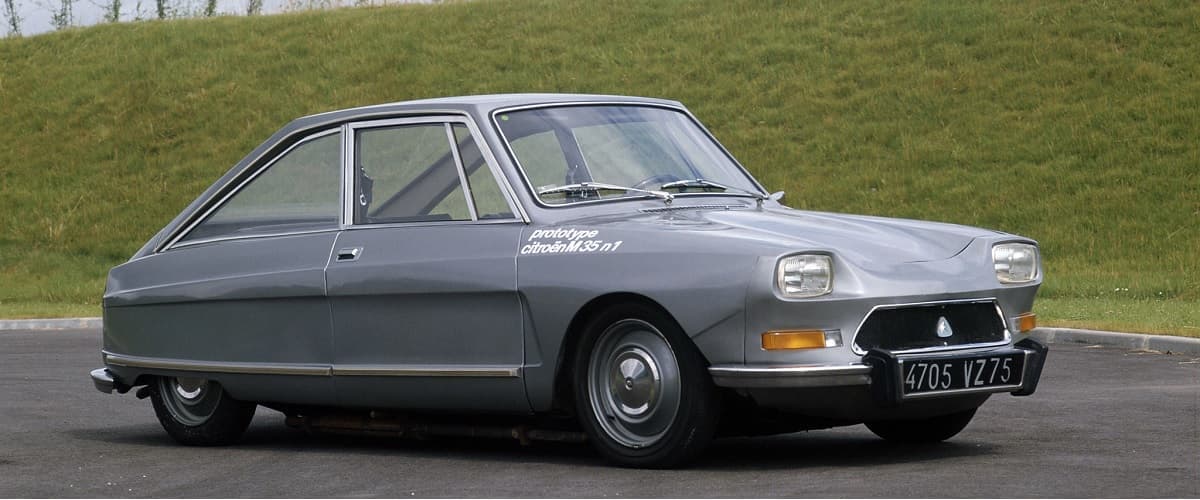
The Citroën that sold 267 cars to its best customers — to destroy them two years later
In 1969, Citroën took an unprecedented decision: sell 500 Wankel rotary engine prototypes to its most loyal customers, ask them to cover at least 30,000 km per year reporting every fault, and then buy them back at a good price to send them to the scrapyard. Only 267 were ever built. Only around 30 escaped destruction.
El Citroën que vendió 267 coches a sus mejores clientes — para destruirlos dos años después
En 1969, Citroën tomó una decisión sin precedentes: vender 500 prototipos con motor rotativo Wankel a sus clientes más fieles, pedirles que recorrieran al menos 30.000 km al año reportando cada fallo, y luego comprarlos de vuelta a buen precio para llevarlos a la chatarra. Solo 267 llegaron a fabricarse. Solo unos 30 escaparon al desguace.
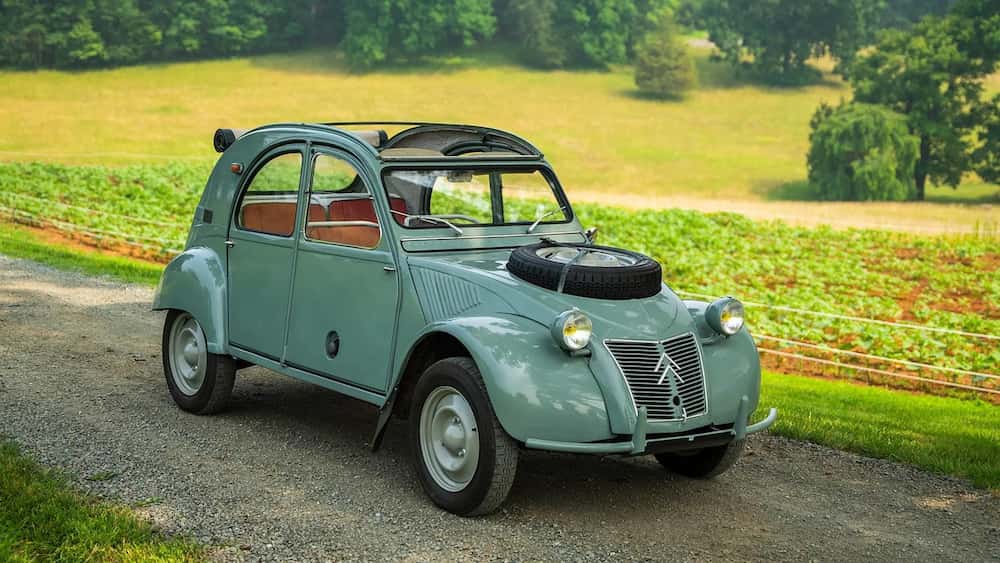
The Citroën 2CV that had two engines because there was no money to make a better one
In 1960, Citroën needed a 4×4 for the French colonies in North Africa. There was no budget to develop a conventional four-wheel-drive system. So they put a second engine in the boot. It turned out to be the only mass-production car in the world with two independent engines — and it still is.
El Citroën 2CV que tenía dos motores porque no había dinero para hacer uno mejor
En 1960, Citroën necesitaba un 4×4 para las colonias francesas en el norte de África. No tenía presupuesto para desarrollar un sistema de tracción integral convencional. Así que puso un segundo motor en el maletero. Resultó ser el único coche de producción en serie del mundo con dos motores independientes — y sigue siéndolo.
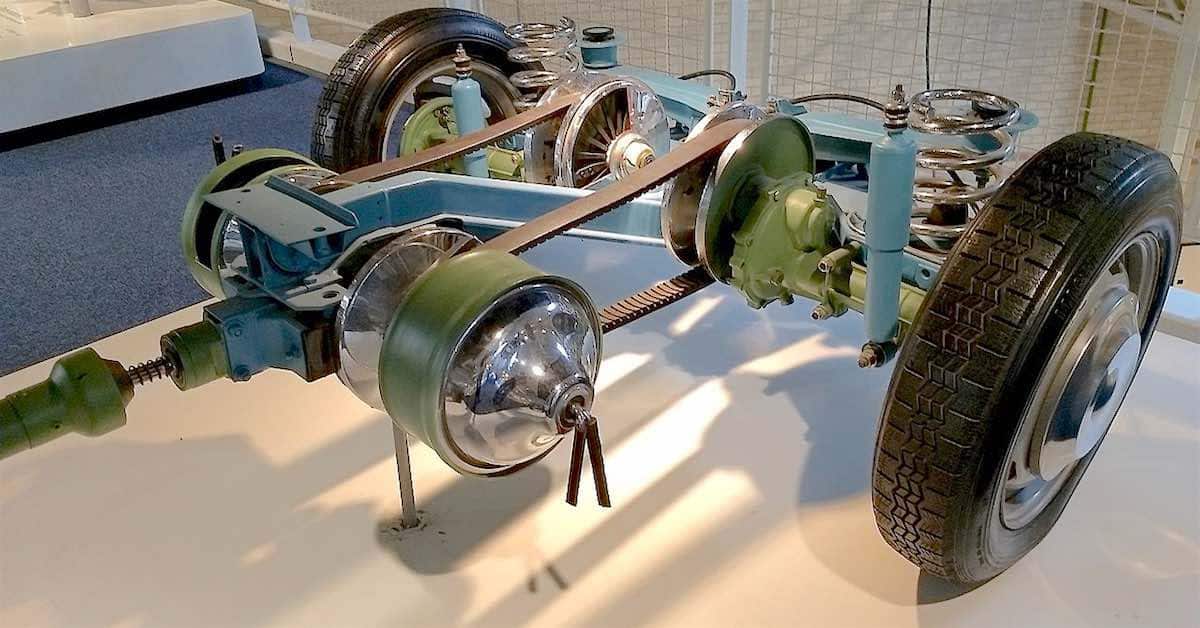
La transmisión que inventó un holandés que fabricaba remolques — y que hoy está en la mitad de los coches del mundo
En 1958, DAF presentó en el Salón de Amsterdam el primer coche con transmisión continua variable de la historia. No tenía embrague, no tenía marchas, no tenía nada entre el motor y las ruedas excepto dos poleas y una correa de goma. El coche podía ir marcha atrás tan rápido como hacia adelante. Y a nadie le importó durante veinte años.
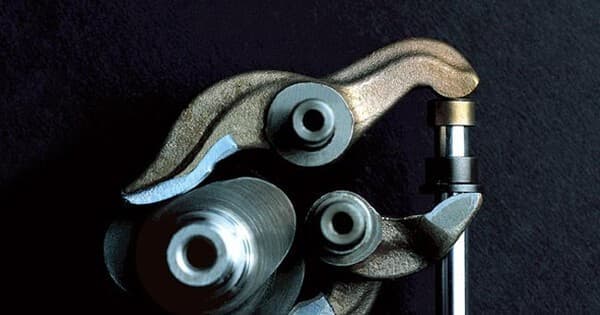
The system Ducati uses to close its valves without springs — and why nobody else does it
In 1956, an engineer from Bologna solved the most frustrating problem in the four-stroke engine: that valve springs could not close the valves quickly enough when the engine revved very high. His solution was to eliminate them. Seventy years later, Ducati remains the only manufacturer that does this in mass production.
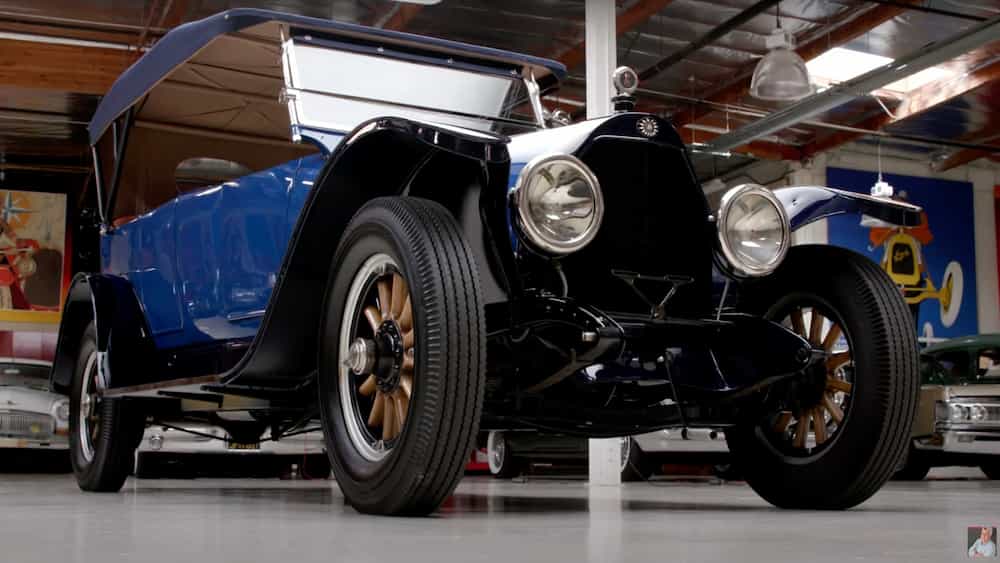
El coche de vapor que arrancaba en 23 segundos, alcanzaba 150 km/h y tenía solo 25 piezas móviles — Doble Model E
En 1924, Abner Doble terminó el último gran coche de vapor de la historia. Arrancaba más rápido que cualquier coche de gasolina de la época, tenía 1.000 libras-pie de par desde parado, alcanzaba 150 km/h sin embrague ni cambio de marchas, y solo tenía 25 piezas móviles en todo el tren de transmisión. Luego el gobierno de California lo destruyó. Por un escándalo de acciones.
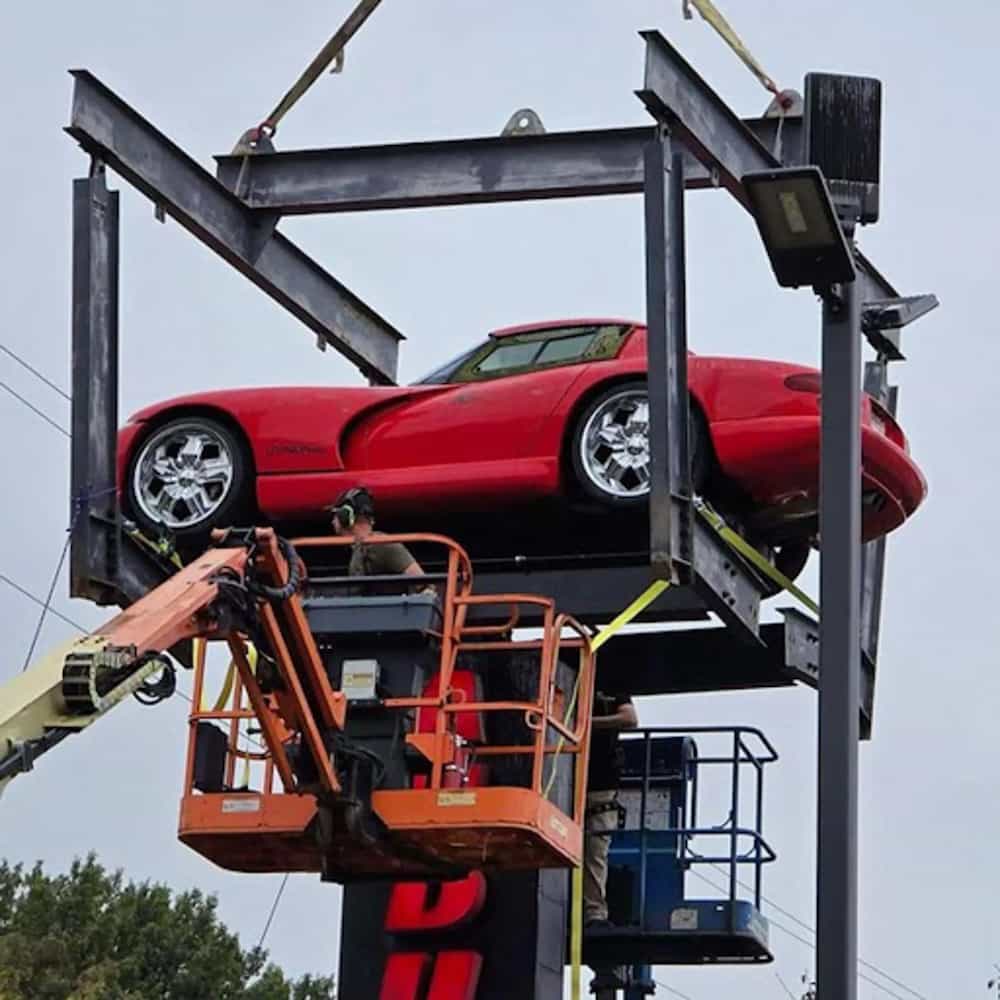
El Dodge Viper que pasó 28 años en lo alto de un poste — con 12 millas en el odómetro
En mayo de 1996, el concesionario Audubon Chrysler de Henderson, Kentucky, decidió no vender su Viper RT/10 recién llegado. En cambio, lo izaron con una grúa a nueve metros de altura sobre la autopista US-41. Allí se quedó 28 años. Con el motor V10 funcionando. Con nido de pájaros dentro.
The Dodge Viper that spent 28 years on top of a pole — with 12 miles on the odometer
In May 1996, the Audubon Chrysler dealership in Henderson, Kentucky, decided not to sell its newly arrived Viper RT/10. Instead, they hoisted it with a crane to nine metres above Highway US-41. It stayed there for 28 years. With the V10 engine intact. With a bird's nest inside.
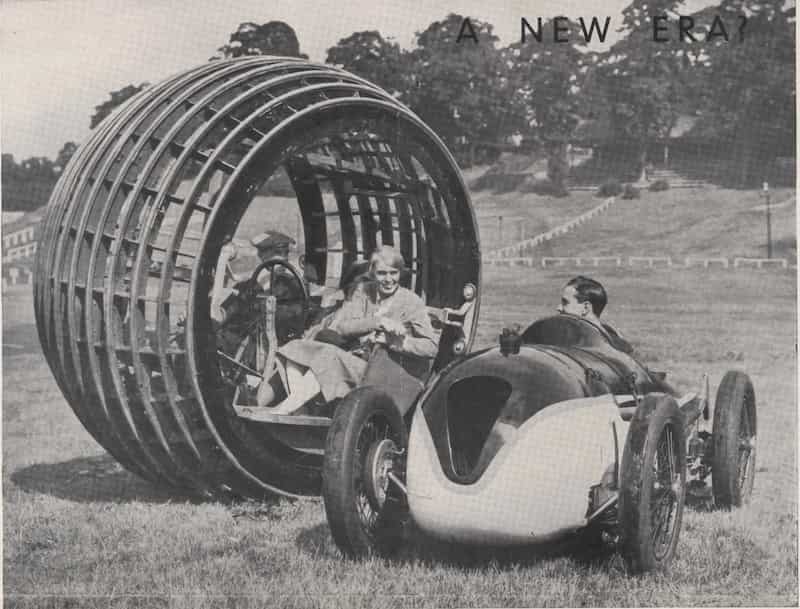
La rueda que era el auto entero — Dynasphere de J.A. Purves
En 1930, un ingeniero británico patentó un vehículo donde el conductor se sentaba dentro de la rueda. No era un truco de circo — era física aplicada a la locomoción más simple posible.

El monstruo del Caspio: el vehículo más pesado que ha volado — y la CIA lo llamó así sin saber qué era
En 1966, la CIA detectó en las imágenes de un satélite espía algo imposible: un objeto de 92 metros de longitud que se movía a 500 km/h a 5 metros sobre el agua del Mar Caspio. No era un avión — volaba demasiado bajo. No era un barco — iba demasiado rápido. Lo llamaron 'El Monstruo del Caspio'. En realidad era un prototipo soviético que ni la propia CIA comprendía.
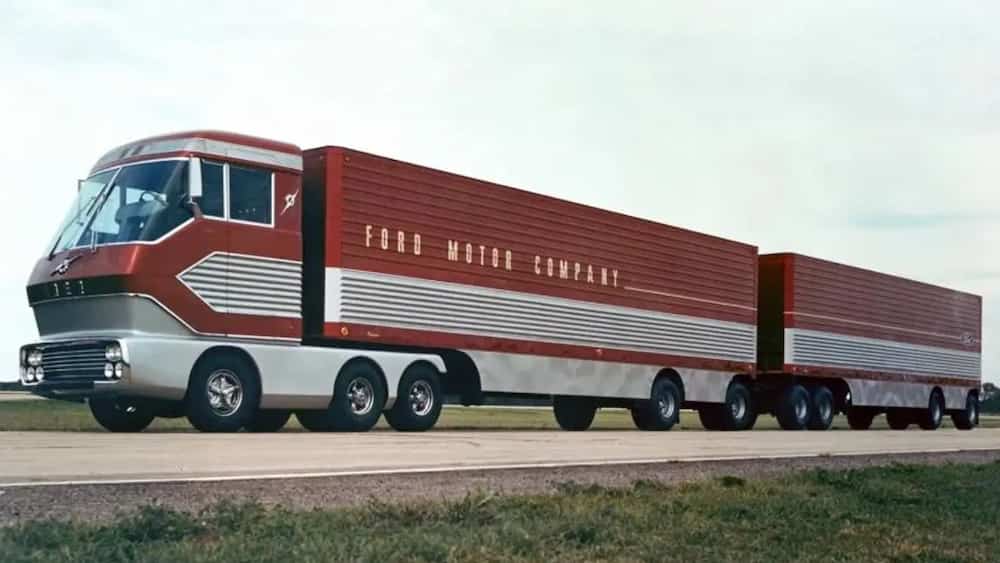
The Ford truck with an aircraft engine that disappeared for 30 years — and turned up in a North Carolina garage
In August 1964, Ford presented at the New York World's Fair a 96-foot, 600-horsepower gas turbine semi-truck with a kitchen, bathroom and television. It was the future of American transport. Then the turbine proved too expensive for the road. And Ford's largest truck disappeared for decades.
El camión de Ford con motor de avión que desapareció durante 30 años — y apareció en un garaje de Carolina del Norte
En agosto de 1964, Ford presentó en la Feria Mundial de Nueva York un semirremolque de 96 pies y 600 caballos con turbina de gas, cocina, baño y televisión. Era el futuro del transporte americano. Luego la turbina resultó demasiado cara para las carreteras. Y el camión más grande de Ford desapareció durante décadas.
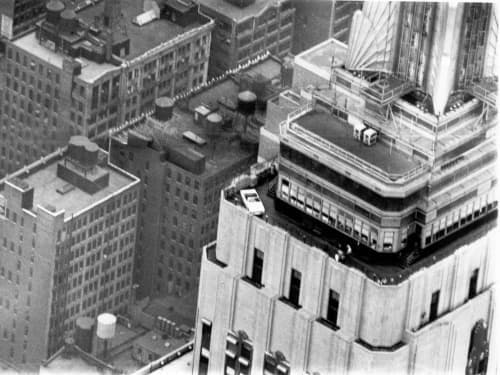
The Ford Mustang that went up to the 86th floor of the Empire State — in four pieces
In October 1965, eight Ford mechanics in white overalls dismantled a Mustang on 33rd Street in Manhattan at 10:30 at night. They took it up in the elevator. They reassembled it on the observation deck of the most famous building in the world. They dismantled it again. And reassembled it a second time, inside.
El Ford Mustang que subió al piso 86 del Empire State — en cuatro pedazos
En octubre de 1965, ocho mecánicos de Ford con monos blancos desmontaron un Mustang en la calle 33 de Manhattan a las 10:30 de la noche. Lo subieron en ascensor. Lo volvieron a montar en la terraza de observación del edificio más famoso del mundo. Lo desmontaron otra vez. Y lo volvieron a montar una segunda vez, dentro.
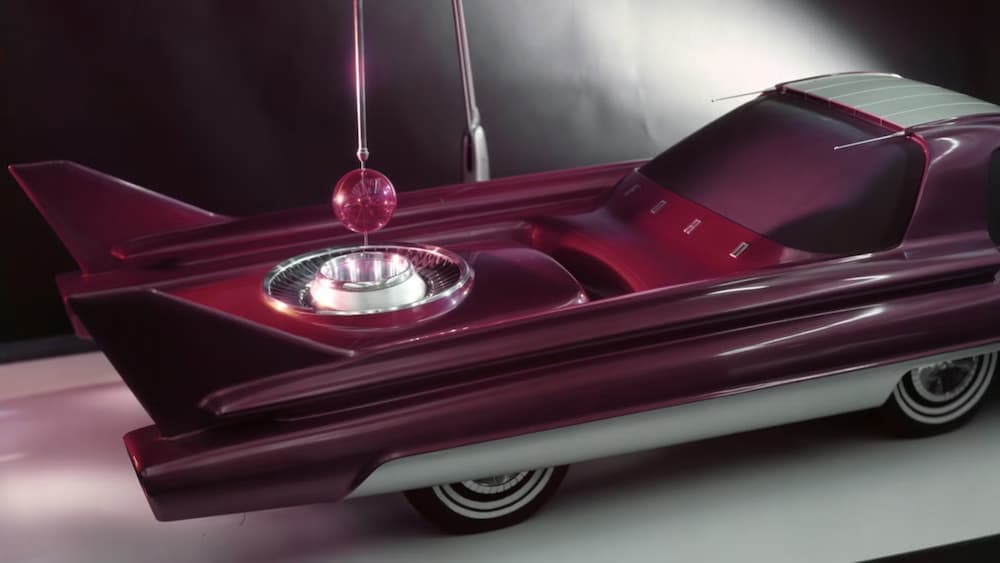
The Ford that ran on uranium and had recharging stations instead of petrol stations — Nucleon
In 1958, a recently graduated designer at Ford drew a car with a nuclear reactor in the boot, a swappable uranium capsule every 8,000 km, and the assumption that the shielding required to stop it killing the driver would eventually weigh less than 50 tonnes. It was only a matter of time.
El Ford que funcionaba con uranio y tenía estaciones de recarga en lugar de gasolineras — Nucleon
En 1958, un diseñador recién graduado en Ford dibujó un coche con un reactor nuclear en el maletero, una cápsula de uranio intercambiable cada 8.000 km, y la suposición de que el blindaje necesario para que no matara al conductor pesaría eventualmente menos de 50 toneladas. Solo era cuestión de tiempo.
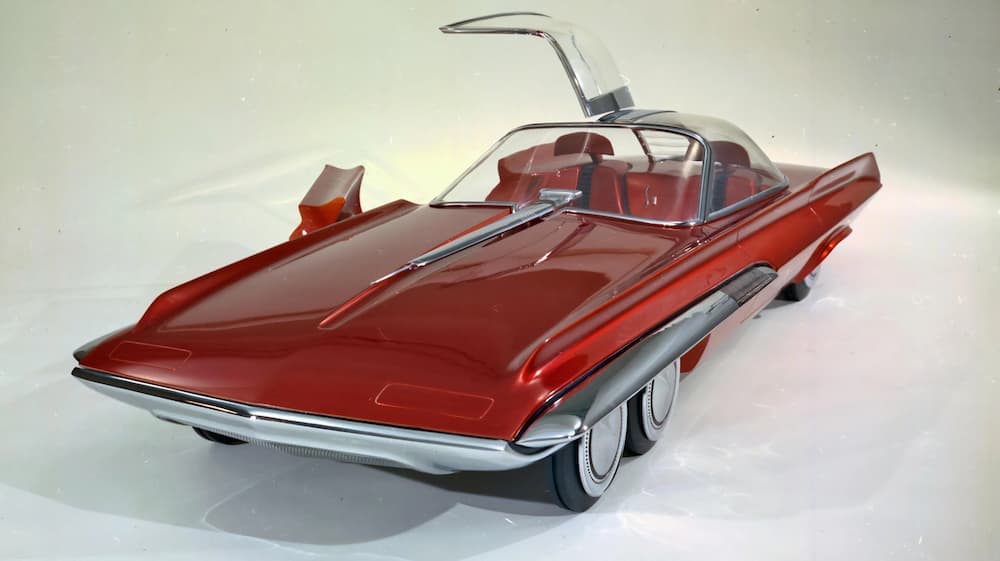
The Ford with six wheels, a swappable nuclear engine and GPS in 1962 — Seattle-ite XXI
In April 1962, Ford presented at the Seattle World's Fair a 3/8-scale concept car that described with astonishing precision the interior of a modern car: central screen, GPS navigation, interchangeable bodywork and modular power units. One of those units was nuclear.
El Ford con seis ruedas, motor nuclear intercambiable y GPS en 1962 — Seattle-ite XXI
En abril de 1962, Ford presentó en la Feria Mundial de Seattle un concept car a escala 3/8 que describía con precisión asombrosa el interior de un coche moderno: pantalla central, navegación GPS, carrocería intercambiable y unidades de potencia modulares. Una de esas unidades era nuclear.
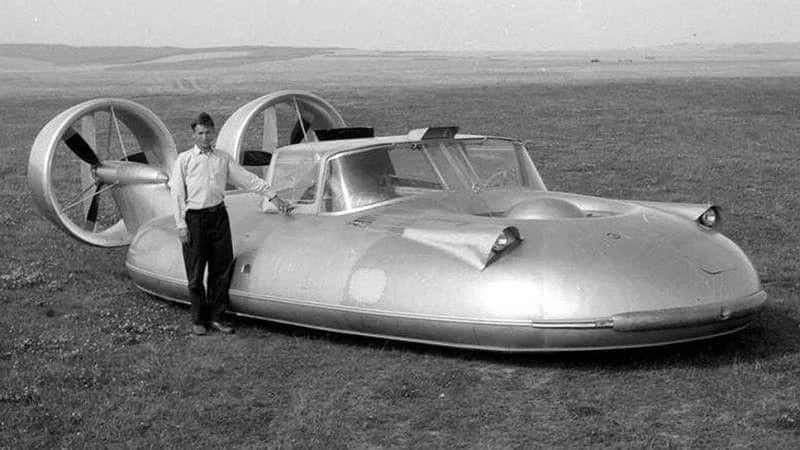
The Soviet car that flew on its own propellers — GAZ-16
In 1962, the same factory that built the Volga — the most iconic saloon in the USSR — constructed a prototype that had neither wheels nor tracks. It lifted off the ground using propellers. And almost nobody talked about it for decades.
El coche soviético que volaba sobre sus propias hélices — GAZ-16
En 1962, la misma fábrica que fabricaba el Volga — el sedán más icónico de la URSS — construyó un prototipo que no tenía ni ruedas ni orugas. Se elevaba del suelo con hélices. Y casi nadie habló de él durante décadas.
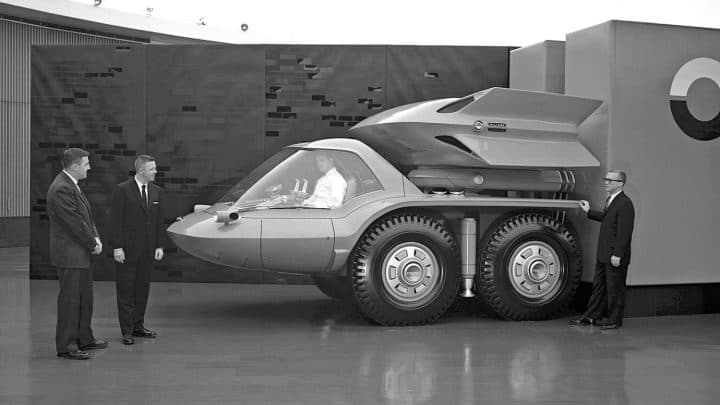
The doorless truck with an aircraft engine that GM showed at the World's Fair — Bison 1964
In 1964, while Ford was presenting the Mustang at the New York World's Fair, General Motors was rolling outside its pavilion the most radical truck concept ever imagined: no doors, two turbines mounted above the cab, and a standardised container system four years before the world adopted them.
El camión sin puertas con motor de avión que GM mostró en la Feria Mundial — Bison 1964
En 1964, mientras Ford presentaba el Mustang en la Feria Mundial de Nueva York, General Motors sacaba al exterior del pabellón el concepto de camión más radical jamás imaginado: sin puertas, con dos turbinas montadas encima de la cabina, y un sistema de contenedores estandarizados cuatro años antes de que el mundo los adoptara.
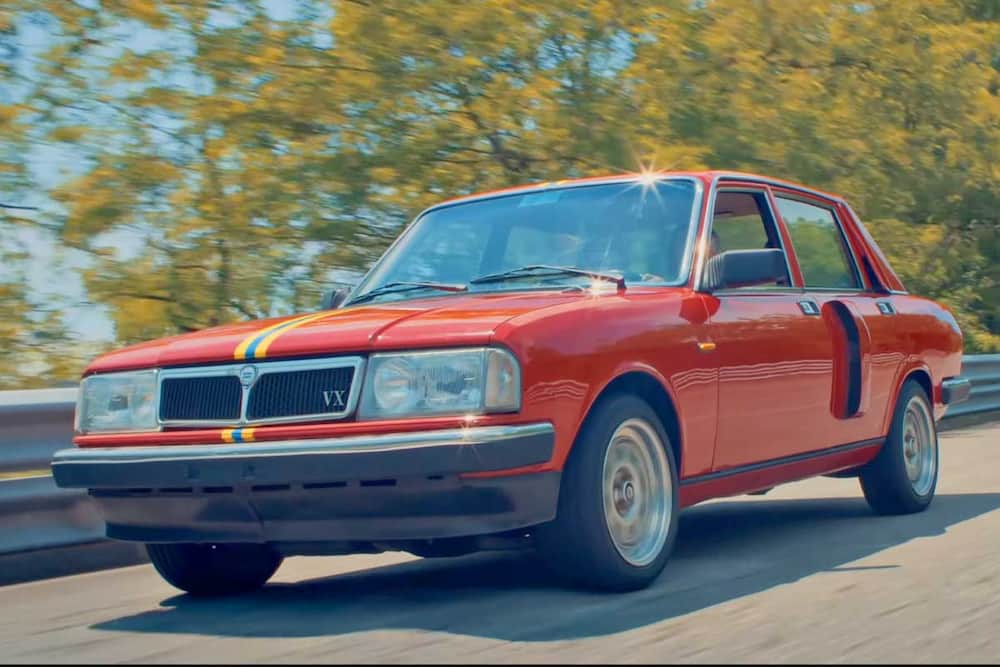
The Lancia with two engines that Giorgio Pianta built in a month to beat the Audi Quattro
In 1984, an Italian four-door saloon lost its rear seats and gained a complete second engine in their place — with its own instrument cluster, its own air intakes welded into the doors, and a rudimentary electronic system that attempted to synchronise two engines with no mechanical connection between them.
El Lancia con dos motores que Giorgio Pianta construyó en un mes para derrotar al Audi Quattro
En 1984, un berlina italiana de cuatro puertas perdió sus asientos traseros y ganó un segundo motor completo en su lugar — con su propio cuadro de instrumentos, sus propias entradas de aire soldadas en las puertas, y un sistema electrónico rudimentario que intentaba sincronizar dos motores sin conexión mecánica entre ellos.
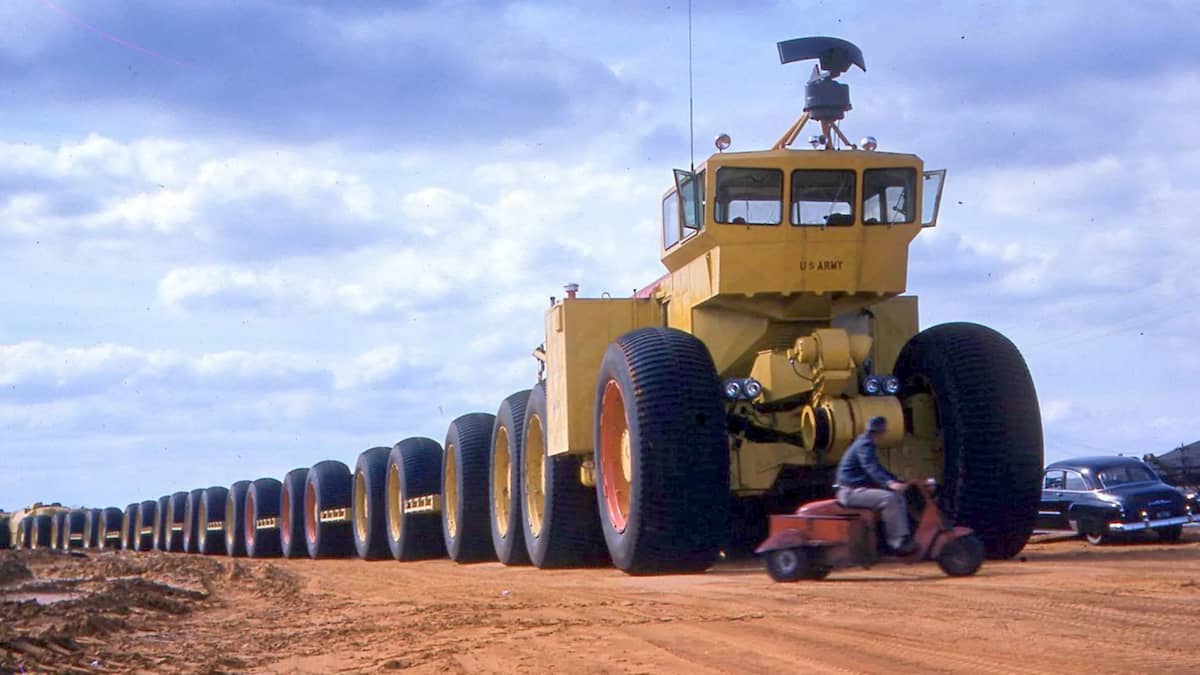
The 174-metre land train the US Army commissioned for the Arctic — LeTourneau TC-497
In 1958, the United States Army asked a self-taught inventor from Texas to build the longest land vehicle in history. No rails. No road. With aircraft turbines. And 54 independent drive wheels.
El tren terrestre de 174 metros que el Ejército de EE.UU. mandó construir para el Ártico — LeTourneau TC-497
En 1958, el Ejército de Estados Unidos le encargó a un inventor autodidacta de Texas que construyera el vehículo terrestre más largo de la historia. Sin vías. Sin carretera. Con turbinas de avión. Y con 54 ruedas motrices independientes.
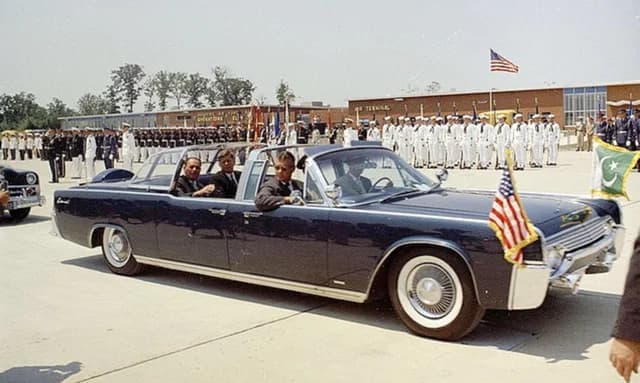
El Lincoln que costó $7.347 y recibió modificaciones por $200.000 — y luego siguió sirviendo 14 años
En enero de 1961, Ford ensambló un Lincoln Continental convertible en Wichita, Michigan. El gobierno americano lo alquiló por $500 al año. Lo enviaron a Cincinnati para modificaciones por $200.000. Lo llamaron SS-100-X. El 22 de noviembre de 1963, el presidente Kennedy murió dentro de él. Tres semanas después, lo mandaron a repasar, le pusieron un techo blindado — y siguió siendo el coche presidencial catorce años más.
The Lincoln that cost $7,347 and received $200,000 in modifications — and then served for 14 more years
In January 1961, Ford assembled a Lincoln Continental convertible in Wixom, Michigan. The American government leased it for $500 a year. They sent it to Cincinnati for $200,000 in modifications. They called it SS-100-X. On 22 November 1963, President Kennedy died inside it. Three weeks later they sent it back for a rebuild, fitted it with an armoured roof — and it remained the presidential car for fourteen more years.
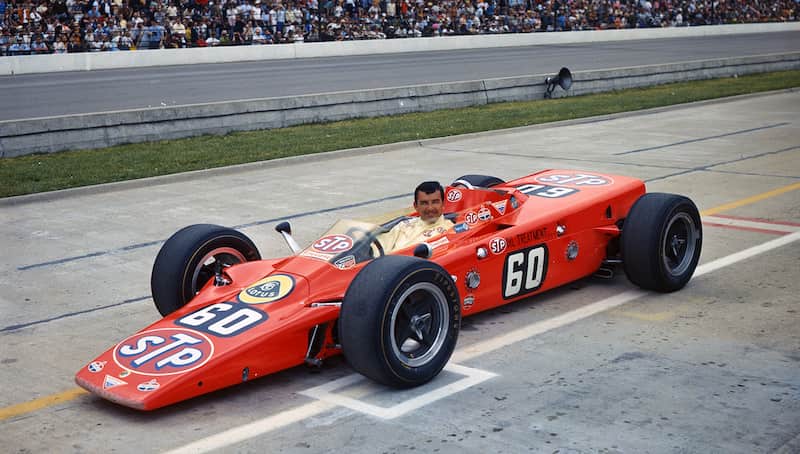
Lotus 56B: El monoplaza con turbina de avión
¿Es posible ganar en F1 sin pistones? La historia técnica del Pratt & Whitney ST6N, el motor que no rugía, siseaba.

The Soviet truck with 24 drive wheels that carried nuclear missiles — MAZ-7907
In 1985, the Minsk Automobile Plant completed the largest wheeled vehicle in the world. Thirty metres long, twelve axles, a tank turbine engine and a thermonuclear missile with ten warheads on top.
El camión soviético con 24 ruedas motrices que transportaba misiles nucleares — MAZ-7907
En 1985, la Planta Automovilística de Minsk terminó el vehículo de ruedas más grande del mundo. Treinta metros de largo, doce ejes, un motor de turbina de tanque y un misil termonuclear con diez cabezas de ojiva encima.
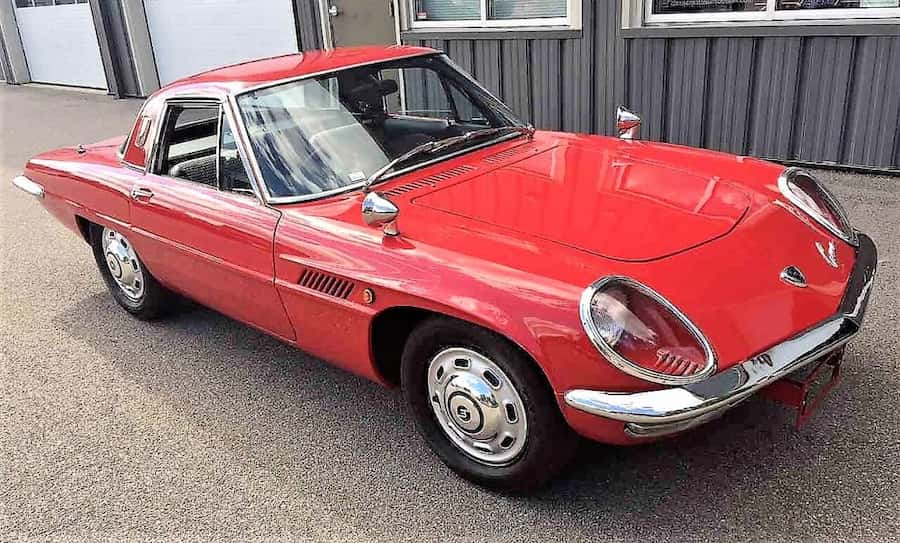
The sports car Mazda built one per day for five years — to prove that a pistonless engine could work
In May 1967, Mazda launched the world's first mass-production car with a twin-rotor rotary engine. It had taken six years to develop. They built it by hand, one per day. They only sold 1,176 units. And they continued making rotary engines for forty-one more years.
El deportivo que Mazda construyó uno por día durante cinco años — para demostrar que un motor sin pistones podía funcionar
En mayo de 1967, Mazda lanzó al mercado el primer coche de producción en serie del mundo con motor rotativo de doble rotor. Lo habían tardado seis años en desarrollar. Lo fabricaban a mano, uno al día. Solo vendieron 1.176 unidades. Y siguieron fabricando motores rotativos cuarenta y un años más.
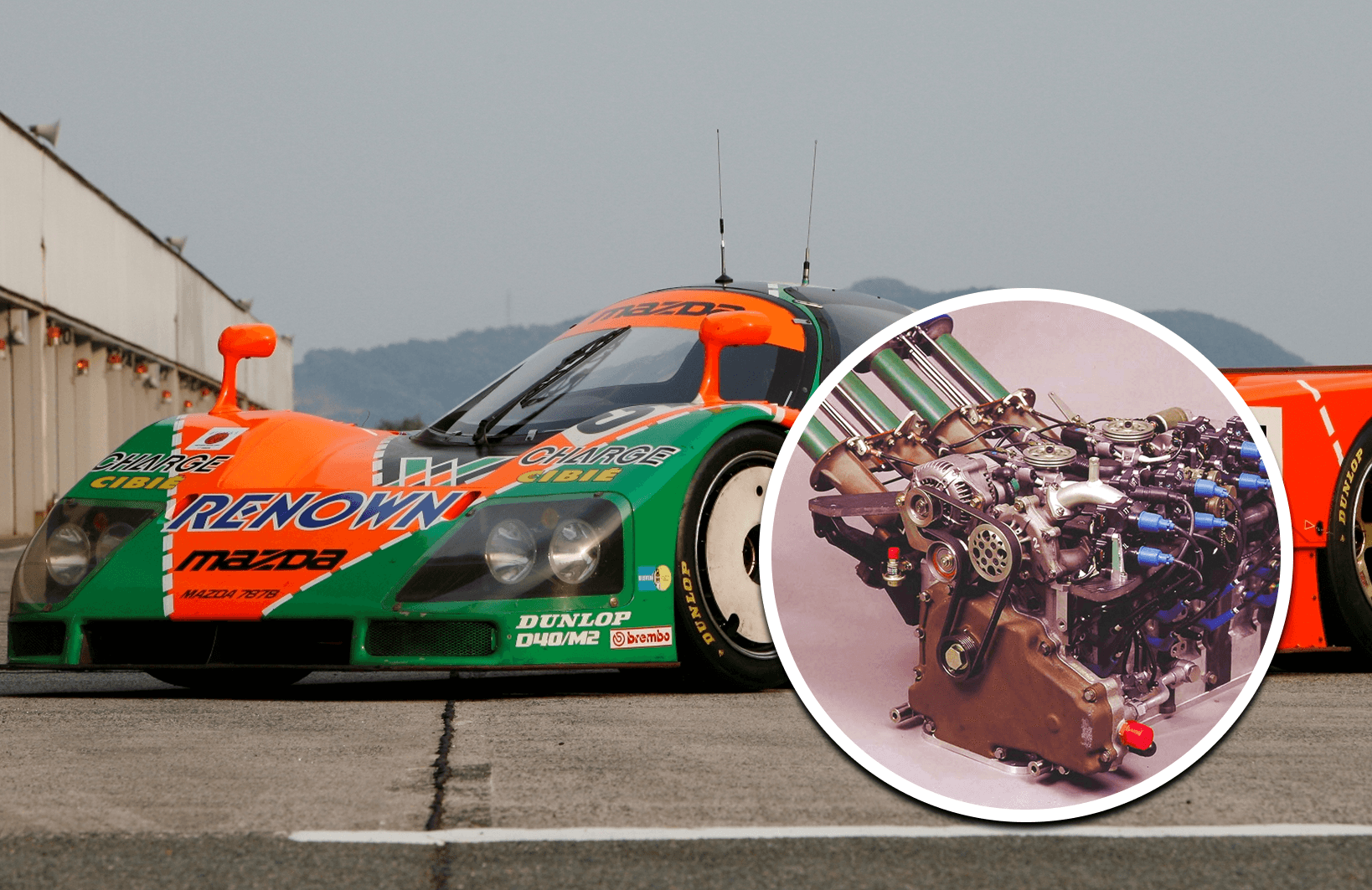
The engine with which Mazda won Le Mans on the last night it could try — R26B
In 1991, the FIA banned rotary engines from Le Mans from 1992 onwards. Mazda knew. So they took their most developed engine, fitted three spark plugs per rotor, ceramic apex seals, a continuously variable intake system, and went to the track knowing it was now or never. They won at 362 laps. The engine, when stripped down afterwards, could have done another 500 km.
El motor con el que Mazda ganó Le Mans la última noche que podía intentarlo — R26B
En 1991, la FIA prohibió los motores rotativos de Le Mans a partir de 1992. Mazda lo sabía. Así que tomó su motor más desarrollado, le instaló tres bujías por rotor, sellos de ápex de cerámica, un sistema de admisión de longitud variable continua, y salió a la pista sabiendo que era ahora o nunca. Ganaron a 362 vueltas. El motor, al desmontarlo, podría haber hecho otras 500 km más.
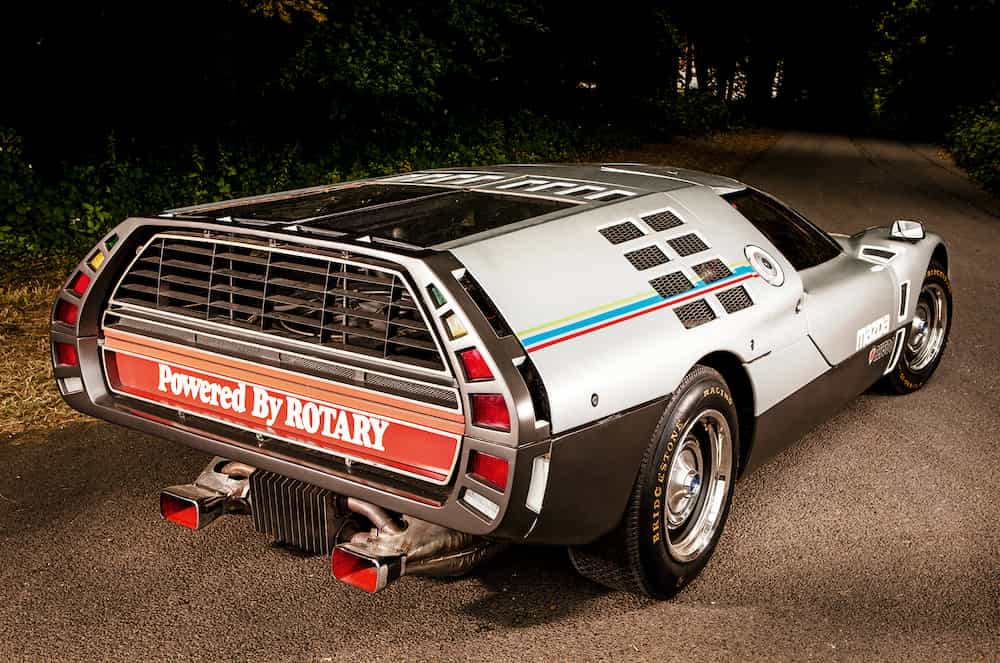
The Mazda that looked like a Kubrick spacecraft and became famous as a toy — RX-500
In October 1970, Mazda presented at Tokyo the most radical concept car in its history. A real, driveable prototype with a rotary engine that revved to 15,000 rpm. It was designed by a man inspired by '2001: A Space Odyssey'. And the world knew it mainly as a Matchbox.
El Mazda que parecía una nave espacial de Kubrick y se hizo famoso como juguete — RX-500
En octubre de 1970, Mazda presentó en Tokio el concept car más radical de su historia. Un prototipo real, conducible, con motor rotativo que giraba a 15.000 rpm. Lo diseñó un hombre inspirado en '2001: Una Odisea del Espacio'. Y el mundo lo conoció principalmente como un Matchbox.
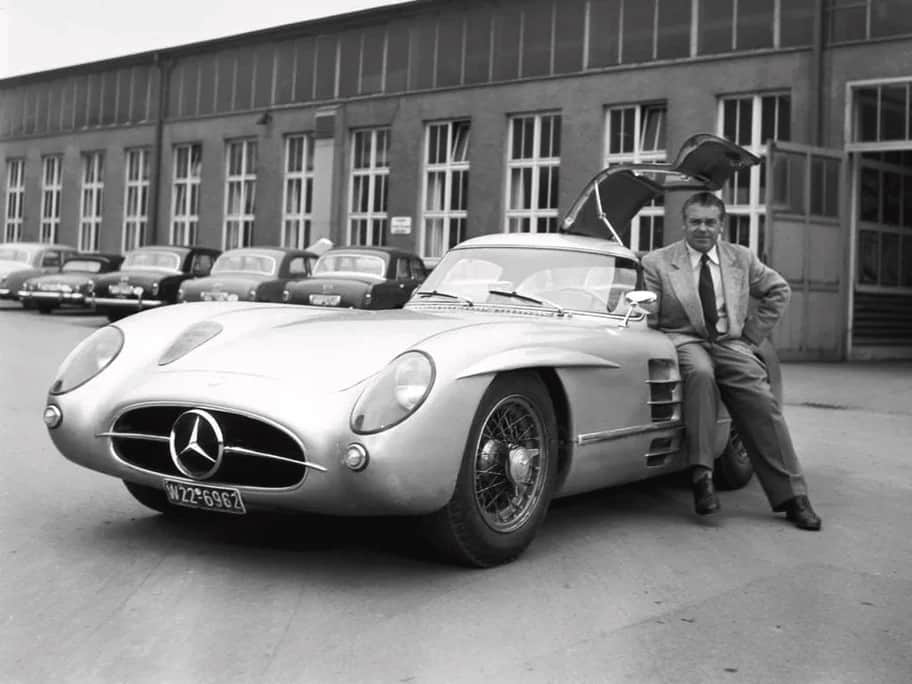
El coche más caro del mundo nunca fue vendido — hasta 2022
En 1955, Rudolf Uhlenhaut tomó uno de los dos prototipos de su coupé secreto y lo usó como coche para ir al trabajo en Stuttgart. Era el coche más rápido del mundo. Ningún otro coche de calle se acercaba a sus 290 km/h. Setenta años estuvo en el museo de Mercedes-Benz. Luego se vendió por 135 millones de euros.
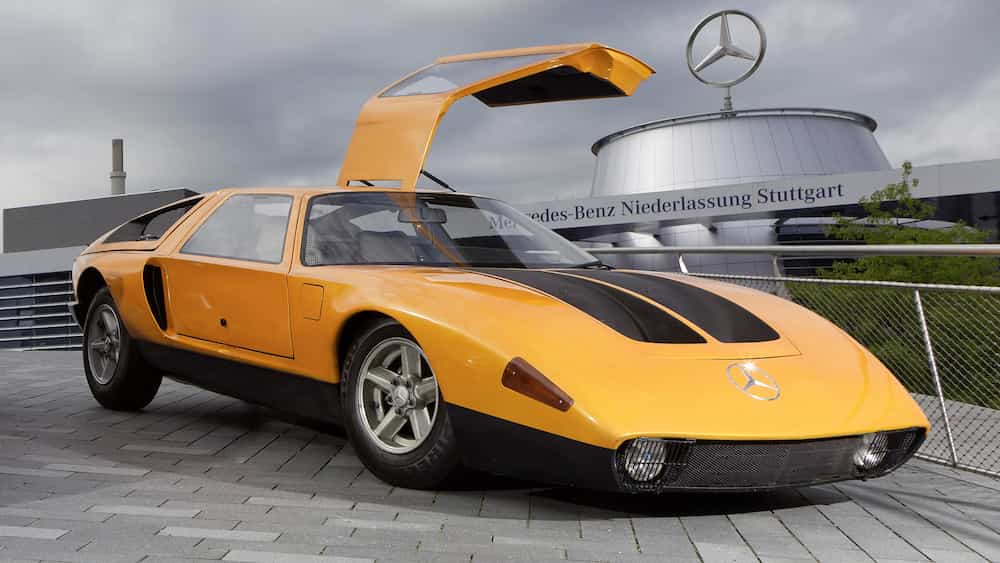
The wheeled laboratory Mercedes never wanted to sell — C111
In 1969, Mercedes-Benz presented at Frankfurt an orange sports car with a Wankel rotary engine, gullwing doors and a fibreglass body. It was not a production car. It was an experiment. That later broke world speed records with a diesel engine.
El laboratorio con ruedas que Mercedes nunca quiso vender — C111
En 1969, Mercedes-Benz presentó en Frankfurt un superdeportivo naranja con motor rotativo Wankel, puertas de ala de gaviota y carrocería de fibra de vidrio. No era un coche de producción. Era un experimento. Que luego batió récords mundiales de velocidad con un motor diésel.
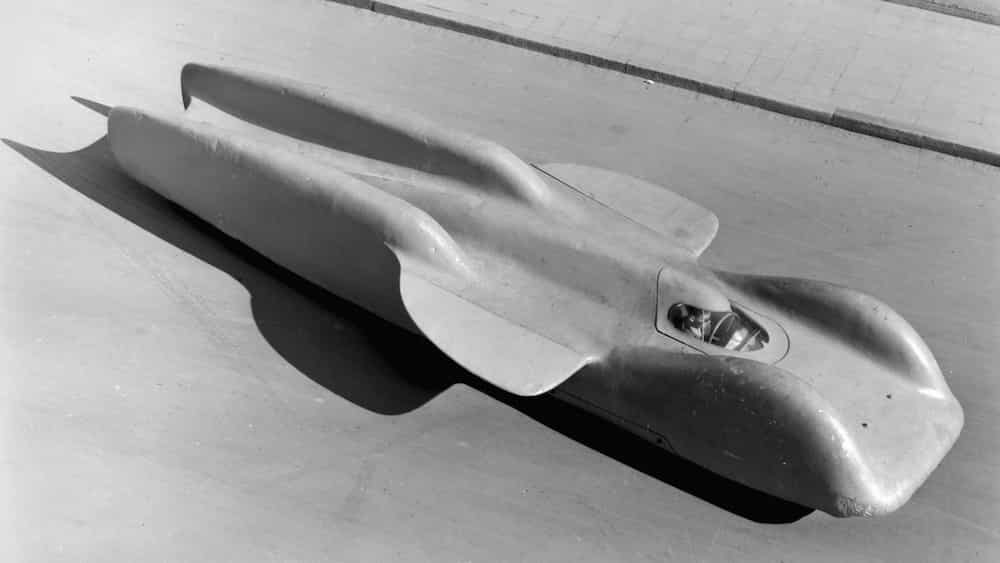
The car that needed wings to stay on the ground — Mercedes-Benz T80
In 1939, Mercedes-Benz and Ferdinand Porsche built a machine with an aircraft engine designed to exceed 700 km/h. It was not a car — it was a land-based projectile.
El auto que necesitaba alas para no volar — Mercedes-Benz T80
En 1939, Mercedes-Benz y Ferdinand Porsche construyeron una máquina con motor de avión diseñada para superar los 700 km/h. No era un automóvil — era un proyectil terrestre.
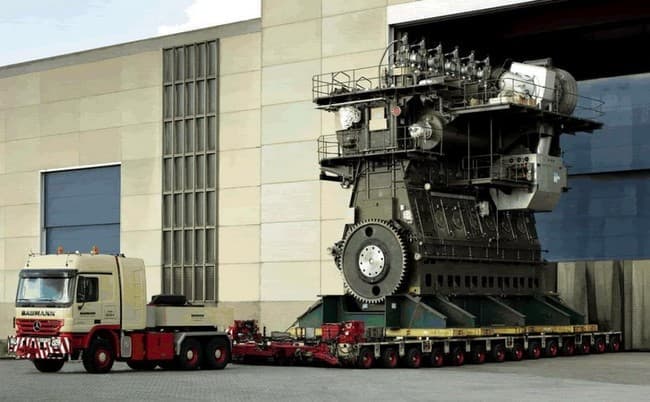
El motor más grande del mundo gira a 102 RPM y cabe en un edificio de 4 pisos — Wärtsilä RT-flex96C
En 2006, el motor alternativo más grande jamás construido entró en servicio a bordo del Emma Mærsk. Pesa 2.300 toneladas, tiene la altura de un edificio de cuatro plantas, y su cigüeñal solo pesa 300 toneladas. Funciona a 102 revoluciones por minuto. Tiene una eficiencia térmica del 50%.
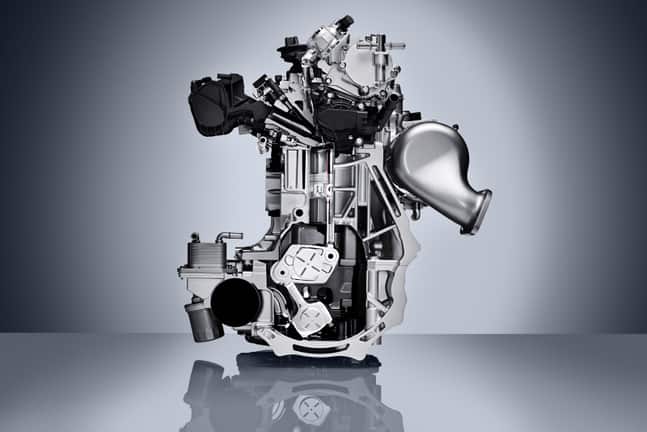
The engine that took 20 years to arrive and solved the oldest problem in internal combustion — Nissan VC-Turbo
In 1998, Nissan engineers began working on an engine that could change its compression ratio while running. In 2019, it reached production. In 2025, nearly 444,000 cars were recalled.
El motor que tardó 20 años en llegar y resolvió el problema más viejo de la combustión interna — Nissan VC-Turbo
En 1998, ingenieros de Nissan empezaron a trabajar en un motor que cambiara su relación de compresión mientras funciona. En 2019, llegó a producción. En 2025, casi 444.000 coches fueron llamados a revisión.
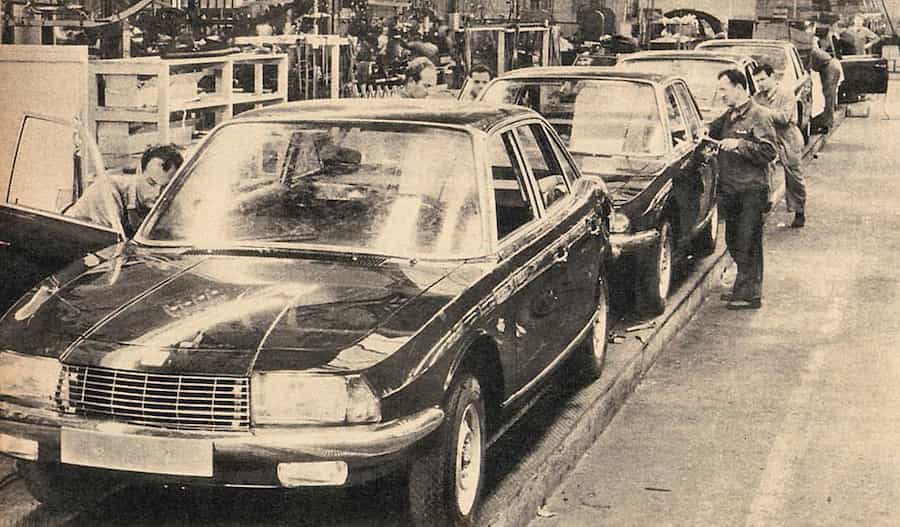
The 1968 Car of the Year that killed its manufacturer — NSU Ro 80
In September 1967, NSU presented at Frankfurt the most advanced automobile in the world. Front-wheel drive. Twin rotary engine. Semi-automatic transmission. Disc brakes on all four wheels. Independent suspension at all four corners. A drag coefficient of 0.355. And a defect in the rotor apex seals that sank the company within ten years.
El coche del año 1968 que mató a su fabricante — NSU Ro 80
En septiembre de 1967, NSU presentó en Frankfurt el automóvil más avanzado del mundo. Tracción delantera. Motor rotativo doble. Transmisión semiautomática. Frenos de disco en las cuatro ruedas. Suspensión independiente en los cuatro extremos. Coeficiente aerodinámico de 0,355. Y un defecto en los segmentos de rotor que hundió a la empresa en diez años.
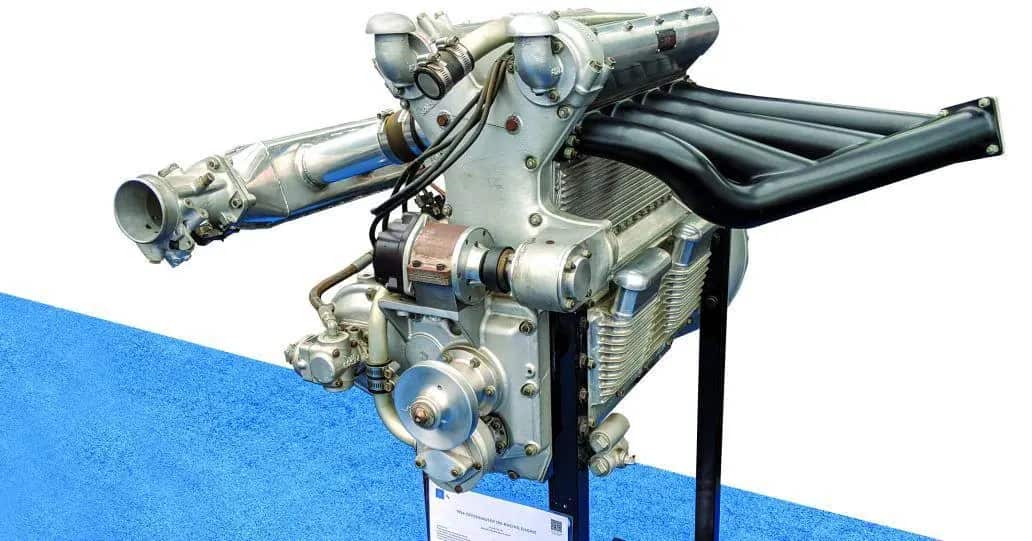
The four-cylinder engine that won Indianapolis 27 times — Offenhauser
In 1933, the foreman of a bankrupt workshop bought his boss's designs at a debt auction. What he bought was an engine conceived around a 1913 Peugeot, refined over twenty years, and that would dominate the most important race in America for half a century. No engine in the history of motorsport has lasted so long competing at the highest level.
El motor de cuatro cilindros que ganó Indianapolis 27 veces — Offenhauser
En 1933, el capataz de un taller en quiebra compró los diseños de su jefe en una subasta por deudas. Lo que compró era un motor concebido sobre un Peugeot de 1913, refinado durante veinte años, y que dominaría la carrera más importante de América durante medio siglo. Ningún motor en la historia del automovilismo ha durado tanto compitiendo al máximo nivel.
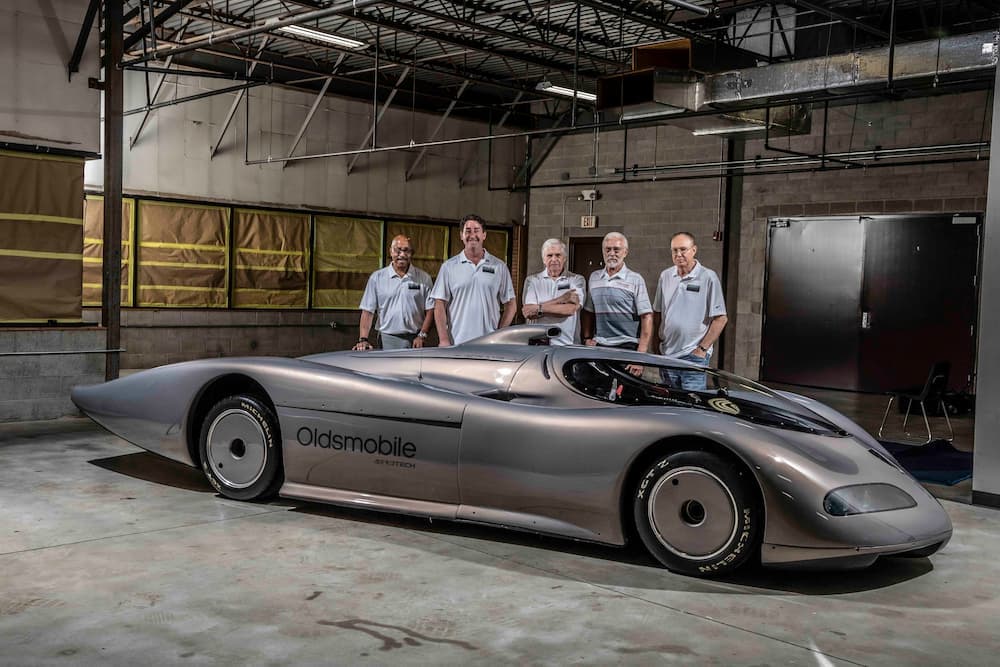
The Oldsmobile that beat the Bugatti Veyron 18 years early — Aerotech
In August 1987, a four-cylinder engine producing 850 horsepower in a 726-kilogram car broke the world closed-circuit speed record. The driver was A.J. Foyt, four-time Indianapolis winner. The car was an Oldsmobile. And nobody remembers it.
El Oldsmobile que superó al Bugatti Veyron 18 años antes — Aerotech
En agosto de 1987, un cuatro cilindros de 850 caballos en un coche de 726 kilogramos rompió el récord de velocidad en circuito cerrado del mundo. El piloto era A.J. Foyt, cuatro veces ganador de Indianapolis. El coche era un Oldsmobile. Y nadie lo recuerda.
The series hybrid that Enrico Caruso drove in 1916 — and that anticipated the Toyota Prius by 80 years
In 1915, an engineer named Justus Entz fitted his electromagnetic transmission to a luxury car and called it the Owen Magnetic. It had no clutch. No gears to change. The petrol engine generated electricity. The electric motors moved the wheels. It was a series hybrid. In 1915.
El híbrido de serie que Enrico Caruso conducía en 1916 — y que anticipó el Toyota Prius en 80 años
En 1915, un ingeniero llamado Justus Entz montó su transmisión electromagnética en un automóvil de lujo y lo llamó Owen Magnetic. No tenía embrague. No tenía marchas que cambiar. El motor de gasolina generaba electricidad. Los motores eléctricos movían las ruedas. Era un híbrido de serie. En 1915.
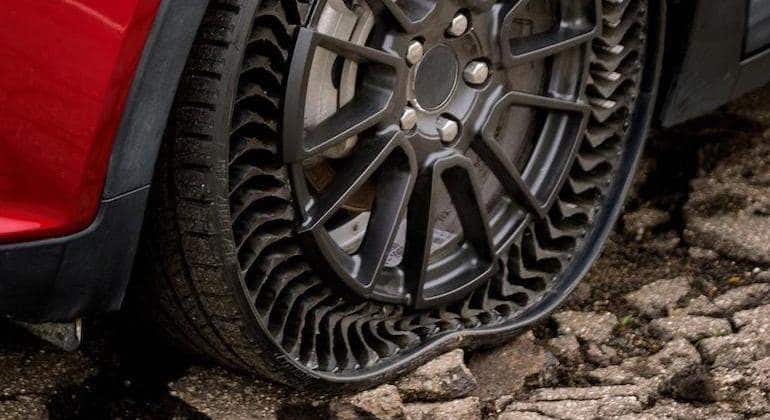
La rueda sin aire que prometió llegar en 2024 — y sigue llegando
En 2005, Michelin presentó el Tweel: una rueda sin cámara, sin presión, con radios de poliuretano. En 2019 prometió que en 2024 estaría en tu coche. En 2025 equipó 40 furgonetas de correos franceses. Ninguno de los dos te sirve a ti todavía.
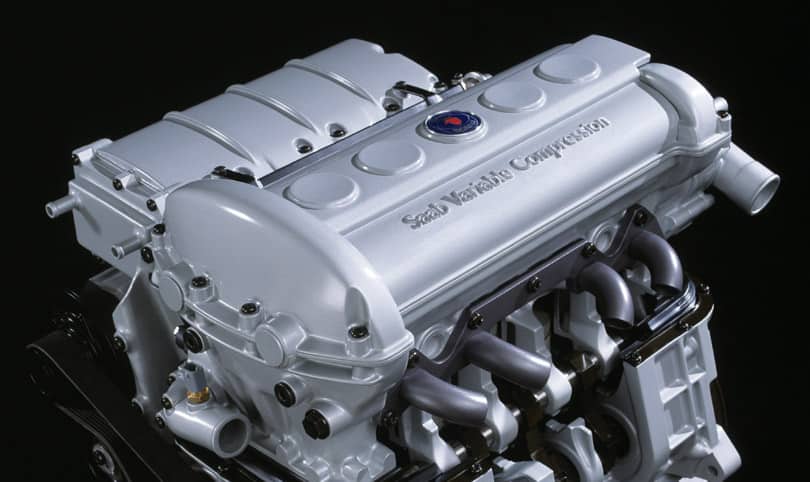
The engine that changed shape while you drove — Saab SVC
In 2000, Swedish engineers presented an engine whose block folded in two while it was running. It was not magic — it was the most elegant solution anyone had ever attempted for the central problem of the combustion engine.
El motor que cambiaba de forma mientras conducías — Saab SVC
En el año 2000, los ingenieros suecos presentaron un motor cuyo bloque se doblaba en dos mientras funcionaba. No era magia — era la solución más elegante que nadie había intentado para el problema central del motor de combustión.
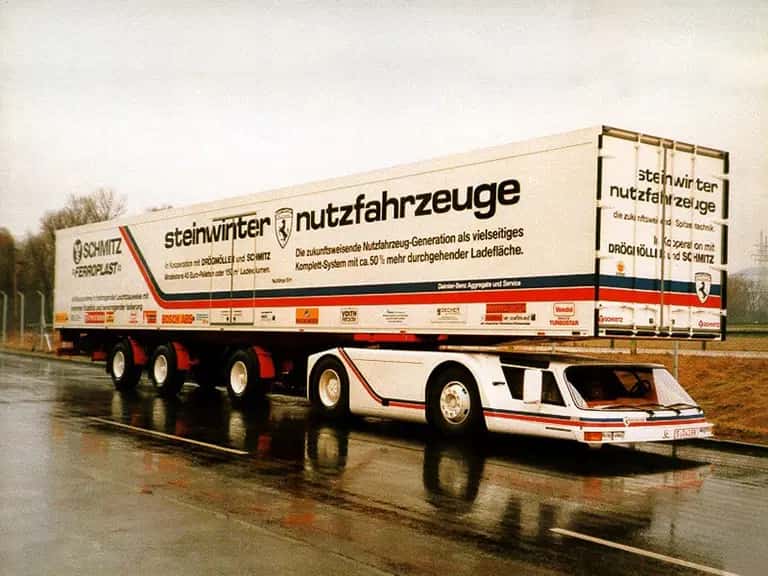
The truck the driver operated from beneath the load — Steinwinter Supercargo
In 1983, a German engineer built a truck where the cab was so low the driver was almost flush with the ground. It was not madness — it was applied physics.
El camión que el conductor manejaba desde debajo de la carga - Steinwinter Supercargo
En 1983, un ingeniero alemán construyó un camión donde la cabina estaba tan baja que el conductor casi iba al ras del suelo. No era una locura — era física aplicada.
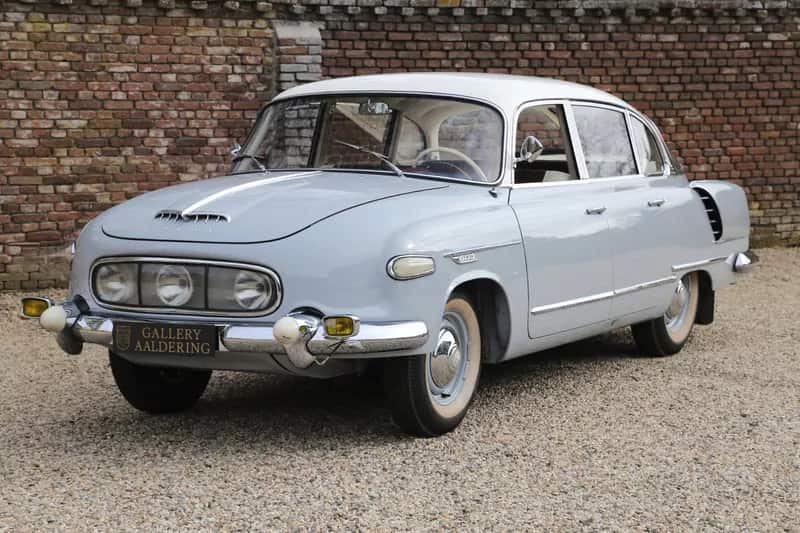
El berlina de lujo que los ingenieros checos construyeron en secreto — porque el Partido Comunista se lo había prohibido
En 1952, el Partido Comunista ordenó a Tatra que dejara de fabricar coches de lujo. Los ingenieros obedecieron en los papeles y continuaron de noche. En 1953, el gobierno soviético se cansó de esperar sus propios coches y ordenó exactamente lo que sus ingenieros ya llevaban un año construyendo a escondidas.

The Czech car Hitler copied for the Volkswagen Beetle — and how the war silenced the lawsuit
In 1931, Tatra built a prototype with an air-cooled boxer engine in the rear and an aerodynamic body. Four years later, Ferdinand Porsche's KdF-Wagen was almost identical. Tatra sued. Hitler said he would sort it out. Then he invaded Czechoslovakia.
El coche checo que Hitler copió para el Volkswagen Beetle — y cómo la guerra silenció la demanda
En 1931, Tatra construyó un prototipo con motor boxer refrigerado por aire en la parte trasera y carrocería aerodinámica. Cuatro años después, el KdF-Wagen de Ferdinand Porsche era casi idéntico. Tatra demandó. Hitler dijo que lo resolvería él. Luego invadió Checoslovaquia.
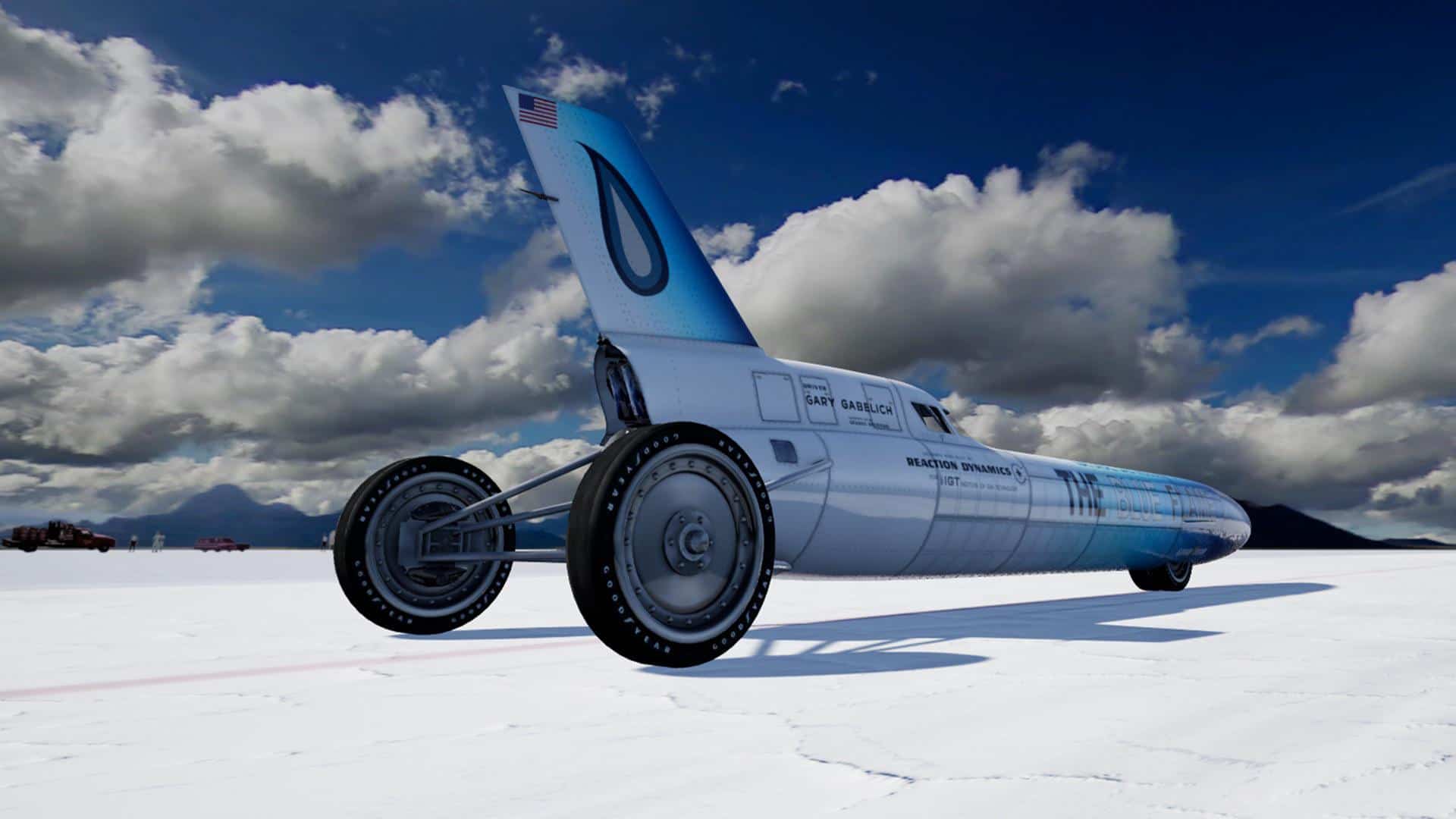
El cohete con ruedas que superó los 1.000 km/h con gas de cocina — Blue Flame
El 23 de octubre de 1970, un vehículo construido por tres aficionados de Milwaukee que garabateaban ideas en servilletas durante el almuerzo superó los 1.000 km/h en el desierto de Utah. Lo propulsaba una combinación de gas natural licuado y peróxido de hidrógeno. Lo patrocinaba la industria del gas doméstico americana. Y Goodyear les prohibió usar el motor a plena potencia.
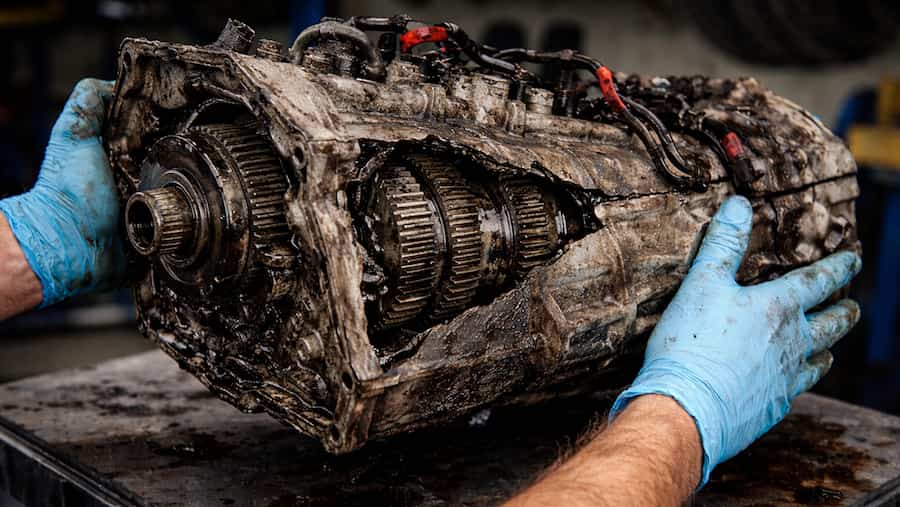
Las 3 peores transmisiones CVT de la historia — y por qué fallaron
Demandas colectivas, garantías extendidas de emergencia, millones de vehículos afectados. Estas no fueron fallas menores: fueron errores de ingeniería que las marcas tuvieron que reconocer con la billetera.
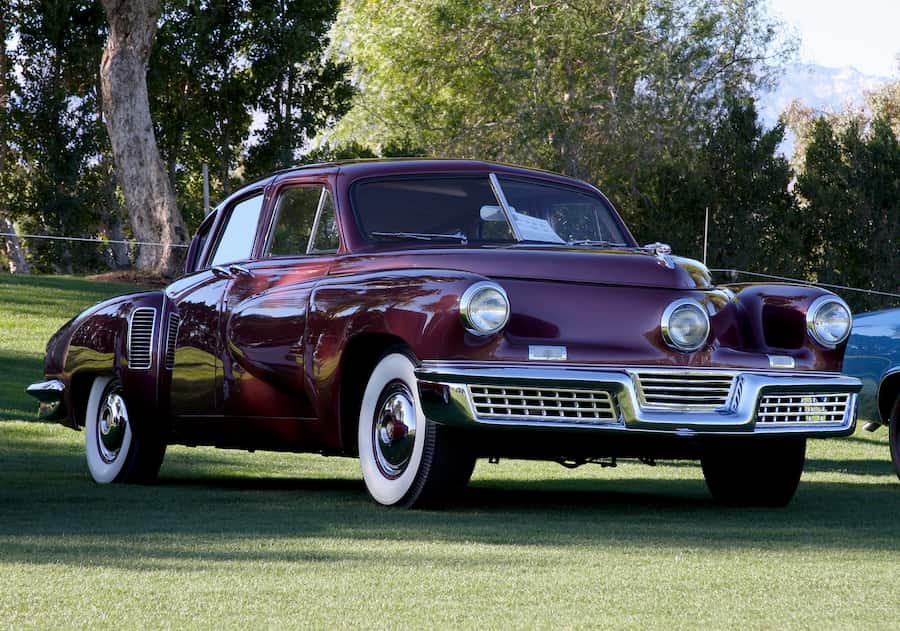
El coche más seguro de 1948 — fabricado por un hombre al que el gobierno destruyó antes de que pudiera venderlo
En 1947, Preston Tucker prometió el coche más avanzado del mundo: motor trasero, tercer faro que giraba con el volante, parabrisas que salía volando en un accidente y espacio bajo el salpicadero para que los pasajeros se protegieran. Construyó 51 unidades. El gobierno lo llevó a juicio. Lo absolvieron. La empresa ya había muerto.
El sistema que Ducati usa para cerrar sus válvulas sin muelles — y por qué nadie más lo hace
En 1956, un ingeniero de Bolonia resolvió el problema más frustrante del motor de cuatro tiempos: que los muelles de válvula no podían cerrarlas lo suficientemente rápido cuando el motor giraba muy deprisa. Su solución fue eliminarlos. Setenta años después, Ducati sigue siendo la única marca que lo hace en producción en serie.
The airless tyre that promised to arrive in 2024 — and keeps on arriving
In 2005, Michelin presented the Tweel: a tubeless, pressure-free wheel with polyurethane spokes. In 2019 it promised that by 2024 it would be on your car. In 2025 it equipped 40 French postal vans. Neither development is any use to you yet.
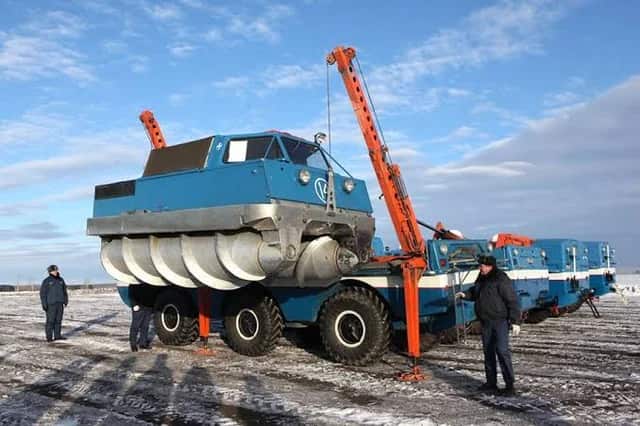
The Soviet vehicle that moved with Archimedes screws to rescue cosmonauts — ZIL-2906
In 1975, the Soviet Union completed a vehicle with no wheels, no tracks, nothing resembling a conventional means of transport. It was propelled by two giant screws. Its mission: to reach where no other vehicle could to collect cosmonauts returning from space.
El vehículo soviético que se movía con tornillos de Arquímedes para rescatar cosmonautas — ZIL-2906
En 1975, la Unión Soviética terminó un vehículo sin ruedas, sin orugas, sin nada que se pareciera a un medio de transporte convencional. Se propulsaba con dos tornillos gigantes. Su misión: llegar donde ningún otro vehículo podía para recoger a los cosmonautas que regresaban del espacio.
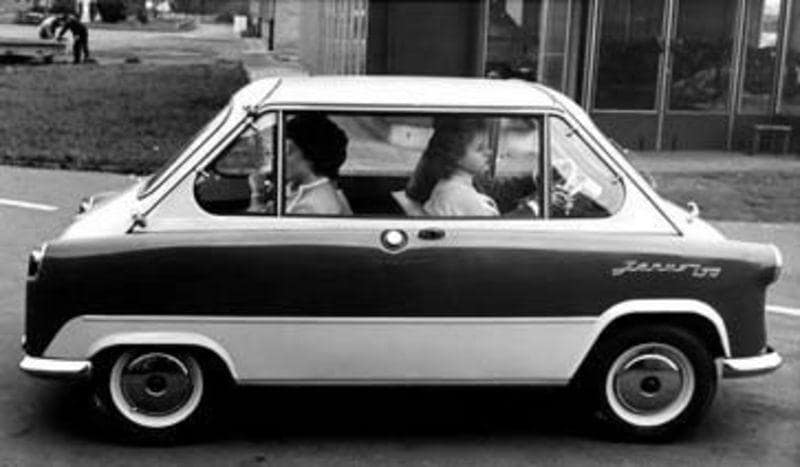
El coche donde la mitad de los pasajeros iba mirando hacia atrás — Zündapp Janus
En 1957, una empresa alemana de motocicletas tomó el diseño de un fabricante de aviones y lo convirtió en el único automóvil de su historia. Los asientos traseros miraban hacia donde el coche venía.