Check Engine Light: The Ultimate Driver’s Survival Guide
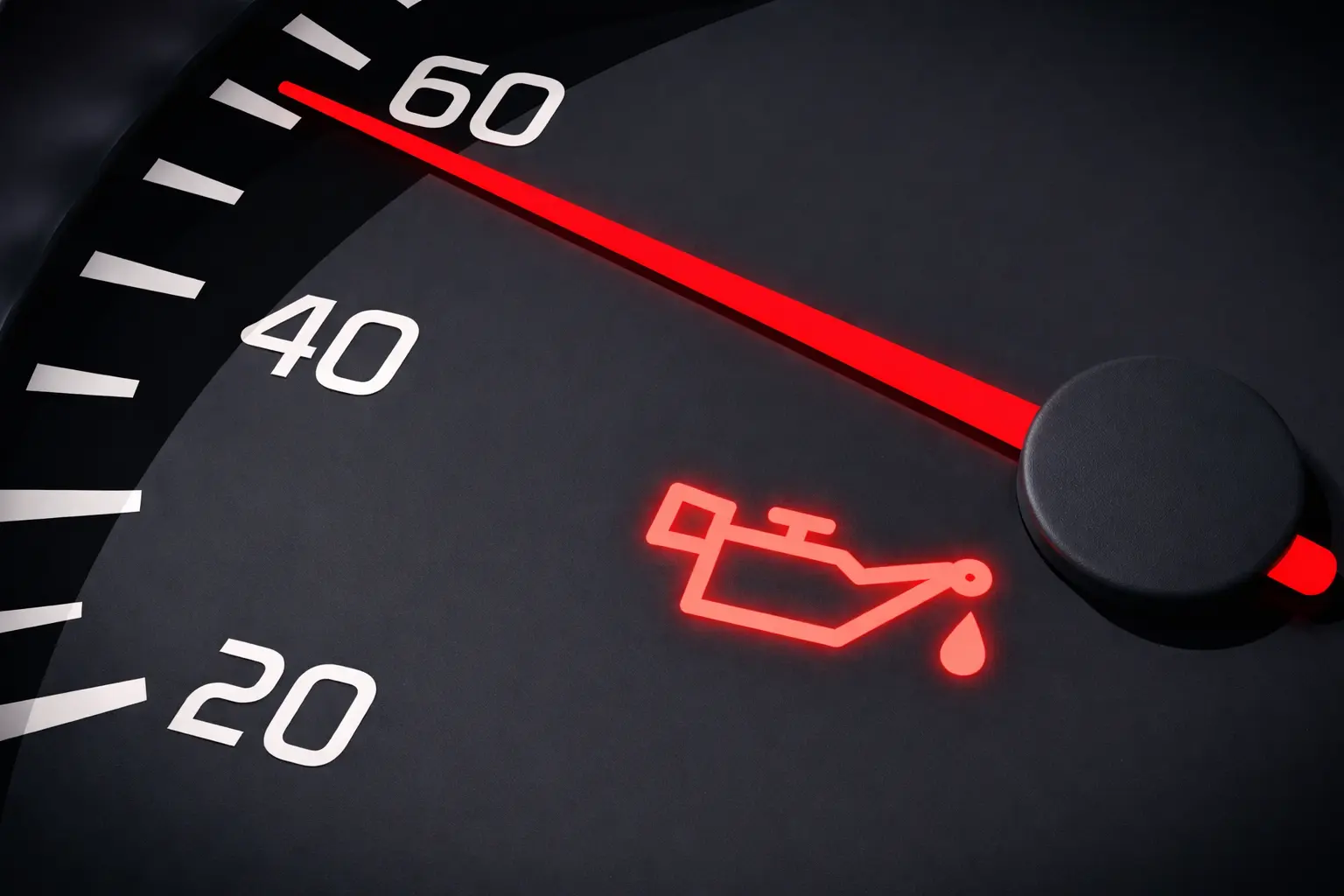
That glowing amber icon on your dashboard—technically known as the Malfunction Indicator Lamp (MIL)—is the universal symbol for driver anxiety. In 2026, with modern vehicles featuring more sensors than a fighter jet, the Check Engine Light (CEL) is more sensitive than ever.
While it doesn't always mean your engine is about to fail, it is your car’s only way of telling you that something is affecting its emissions, fuel economy, or vital components. Ignoring it in the short term often leads to a "Limp Mode" situation or a failed state inspection down the road.
🚨 The Red Alert: Solid vs. Flashing Light
Before you pull over and call a tow truck, check the behavior of the light. This is the single most important diagnostic step you can take.
Solid Yellow Light
A steady light means your On-Board Diagnostics (OBDII) system has detected a fault. This is not an immediate emergency, but it is a "Stage 1" warning. Your car might drive perfectly fine, but it is likely polluting more or burning more gas than it should. You should schedule a scan within the week.
Flashing Yellow Light (CRITICAL)
If the light is blinking, stop driving immediately. A flashing light indicates a severe "engine misfire" is occurring. This means unburned fuel is being dumped into the exhaust system, which can reach temperatures high enough to melt your Catalytic Converter in minutes. Replacing a melted converter in 2026 can cost upwards of $2,500, so shut the engine off now.
🧭 Top 5 Causes for the CEL in 2026
According to national service data, these five issues account for nearly 75% of all Check Engine Light triggers across the United States:
- Faulty Oxygen (O2) Sensor: These sensors monitor how much unburned oxygen is in the exhaust. A bad sensor can drop your fuel economy by 40%.
- Loose or Damaged Gas Cap: The EVAP system (Evaporative Emission Control) is incredibly sensitive. If your gas cap is cracked or wasn't clicked into place, the system detects a leak. Fix: $0 - $30.
- Catalytic Converter Failure: Usually caused by neglecting smaller issues like bad spark plugs. In 2026, due to precious metal prices (Platinum/Palladium), this is the most expensive repair on the list.
- Mass Air Flow (MAF) Sensor: This sensor calculates the air entering the engine to determine how much fuel is needed. A dirty MAF causes hesitation and stalling.
- Ignition Coils & Spark Plugs: As vehicles age, these components fail, causing the dreaded "misfire" and shaking at idle.
🛠️ How to Reset the Light (The DIY Approach)
Many drivers want to clear the light to see if it was a "glitch" or to reset the system after a DIY repair. Here is how to handle it responsibly:
The OBDII Scanner Method (Recommended)
You can purchase a Bluetooth OBDII dongle for under $40 at major retailers or Amazon.
- Plug the device into the port (usually under the driver's side dash).
- Use a smartphone app (like Torque or BlueDriver) to "Read Codes."
- Select "Clear/Reset Codes."
- Note: If the underlying mechanical issue isn't fixed, the light will return after 20–50 miles of driving.
The Battery Disconnect
Disconnecting the negative terminal for 15 minutes can clear the ECU's temporary memory. However, on 2022+ models, this may also reset your "Readiness Monitors," meaning you will fail a Smog Check until you drive the car for several days to let the computer re-test itself.
💰 2026 Repair Cost Estimates (USA Averages)
Labor rates in the U.S. currently hover between $120 and $210 per hour depending on your state. Here is what you can expect to pay for common CEL repairs:
| Diagnostic/Repair | Estimated Total (Parts + Labor) | Priority |
|---|---|---|
| Diagnostic Fee (Scan) | $90 - $160 | Essential |
| Gas Cap Replacement | $25 - $50 | Low |
| O2 Sensor Replacement | $280 - $480 | Medium |
| Spark Plug & Wire Set | $190 - $350 | High |
| Catalytic Converter | $1,500 - $3,800+ | Critical |
❓ Frequently Asked Questions (FAQ)
Will my car pass a Smog Check with the light on? No. In states like California, New York, and Illinois, a lit Check Engine Light is an automatic failure, even if the car passes the actual tailpipe test.
Does cold weather trigger the light? Yes. Extreme cold can cause rubber seals in the EVAP system to shrink, causing a "Small Leak" code (P0442). It can also stress an aging battery, causing the computer to throw "Low Voltage" codes for various sensors.
What is a "Drive Cycle"? After repairing the issue and clearing the code, your car needs to be driven under specific conditions (highway speeds, stop-and-go, and cold starts) so the computer can verify the fix. This usually takes 50 to 100 miles.
Is your light on right now? If you have a specific code (like P0420 or P0171), tell me your vehicle’s Year, Make, and Model. I can give you the exact technical breakdown and the most likely "silver bullet" fix for that specific car.